



Sales promotions work best when they align with how people actually make decisions, not how brands assume they do.
The most effective campaigns tap into real psychological drivers such as urgency, perceived value, risk reduction, and social proof. Understanding these triggers helps brands design promotions that convert more effectively, build trust, and support longer-term loyalty.
Consumer psychology focuses on the thoughts, emotions, and mental shortcuts behind purchasing decisions, while consumer behaviour looks at the actions those decisions produce. Effective promotions need to account for both.
At Opia, we use these behavioural insights to design promotional strategies that don’t just look attractive on paper, but resonate in real purchase environments.
Table of Contents
- Key takeaways
- The Psychology Behind Sales Promotions And Consumer Behaviour
- What is the Psychology of Sales Promotions?
- How is Psychology Related to Promotions and How Can It Affect Consumers?
- How Different Promotion Types Influence Consumer Behaviour
- What Are the Principles Behind the Psychology of Sales Promotions?
- Tips for Building Successful Sales Promotions Using Psychology
- Common Promotional Tactics Rooted in Consumer Psychology
- Key Considerations for Crafting the Perfect Promotion
- Conclusion
- A Bespoke Approach to Your Brand’s Requirements
- FAQs
Key takeaways
- Sales promotions work best when they align with real customer decision-making, not assumptions
- Psychological triggers like urgency, social proof, and perceived value directly influence conversion
- The most effective campaigns increase perceived value without relying on heavy discounting
- Different promotion mechanics (e.g. cashback, Buy & Try, referrals) influence behaviour in different ways
- Reducing friction and increasing clarity at the point of decision is critical to performance
- Strong promotions don’t just drive short-term action. They build trust and repeat purchase
The Psychology Behind Sales Promotions And Consumer Behaviour
Understanding consumer behaviour is key to crafting effective sales promotions that drive purchases and build lasting brand loyalty. Creative promotions must resonate with your audience to succeed.
By tapping into the psychology behind consumer actions, you can enhance the effectiveness of your promotional strategies. This guide explores key psychological principles that influence consumer behaviour and offers insights on how to leverage these principles to create successful sales promotions that benefit both your business and your customers.
What is the Psychology of Sales Promotions?
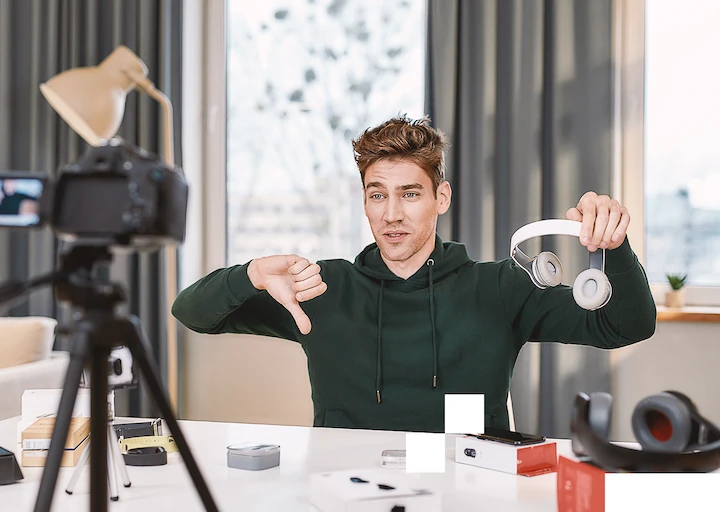
The psychology of sales promotions is about understanding why people respond to certain offers, mechanics, and messages at the moment of decision.
Promotions influence how customers perceive value, urgency, reward, and risk. When designed well, they do more than attract attention; they shape behaviour.
This is why successful promotions are rarely just creative. They work because they reflect how customers actually think, feel, and buy.
What Are the Principles Behind the Psychology of Sales Promotions?
At Opia, we know that creativity matters — but it works best when backed by behavioural insight. The strongest promotions often rely on a few key psychological principles.
Scarcity
When an offer feels limited, customers are more likely to act quickly. Limited-time windows, capped rewards, or seasonal deadlines create urgency and increase conversion.
Reciprocity
When customers receive something valuable, cashback, a gift, a trade-in reward, or a gift card, they are more likely to respond positively and complete the purchase.
Commitment and Consistency
Once a customer takes a small first step, they are more likely to continue. Buy & Try promotions are a good example: they reduce friction at the start of the journey and increase follow-through.
Social Proof
People look to others when deciding what to buy. Reviews, recommendations, testimonials, and referral mechanics all help reduce uncertainty and build trust.
Anchoring
Customers judge value against a reference point. Showing the original price, the reward value, or the difference between options can make an offer feel significantly stronger.
Loss Aversion
People are often more motivated by avoiding a loss than by gaining a benefit. “Don’t miss your cashback” can be more persuasive than “save with cashback.”
Decision Fatigue
Even a good promotion can underperform if the journey feels too complex. Too many choices, too much copy, or a confusing claims process can reduce action.
Liking and Trust
Customers are more likely to engage with brands they feel connected to. Promotions that reflect the brand’s tone, values, and audience needs tend to perform better.

Tips for Building Successful Sales Promotions Using Psychology
Designing a promotion that truly resonates starts with understanding what drives customer behaviour. When these psychological drivers are applied effectively, promotions become more compelling and more likely to convert.
Make the value obvious
Customers should immediately understand what they get and why it matters.
Reduce friction
Simple mechanics, clear rules, and easy claims processes increase completion rates.
Use context, not just discount size
How an offer is framed can matter as much as the reward itself.
Give customers a reason to act now
Urgency, scarcity, or a seasonal moment can move people from interest to action.
Design for confidence, not just clicks
The strongest promotions don’t just attract attention; they make the purchase feel safer, smarter, or more rewarding.
Common Promotional Tactics Rooted in Consumer Psychology
Many successful promotions rely on familiar psychological effects:
- Free shipping reduces the pain of paying
- Gift with purchase increases perceived value
- Cashback reinforces reward and justification
- Buy & Try lowers perceived risk
- Product comparisons help anchor value
- Referral programs use trust and social proof
- Limited-time offers create urgency
The psychology is often the same. What changes is the mechanic used to deliver it.
Key Considerations for Crafting the Perfect Promotion
Now that we’ve explored how psychological aspects influence buyer behaviour, let’s delve into how these can be integrated into a promotion to deliver successful results for your brand:
Know your audience
Promotions perform better when they reflect real customer motivations, pain points, and triggers.
Match the mechanic to the behaviour
Not every promotion works for every objective. Choose the one that fits the emotional and commercial context.
Keep communication clear
If customers don’t understand the offer quickly, they are less likely to act.
Reduce risk and friction
The claims journey, reward process, and promotional structure should feel simple and credible.
Test and refine
The best promotions improve over time through performance data, behavioural insight, and iteration.
Conclusion
Sales promotions are most effective when they reflect how customers actually make decisions.
By understanding the psychology behind urgency, value perception, trust, reward, and risk, brands can build campaigns that do more than drive short-term response. They can increase conversion, strengthen loyalty, and create more meaningful customer engagement.
At Opia, we design promotional strategies around these behavioural realities, helping brands build campaigns that resonate with customers and scale.
That said, promotions should be used strategically. Overuse can erode perceived value or train customers to wait for discounts.
A Bespoke Approach to Your Brand’s Requirements
Ready to create a sales promotion that works with consumer psychology rather than against it?
At Opia, we help brands design promotions that reduce hesitation, increase perceived value, and drive action in the moments that matter most.
Get in touch to explore how our tailored promotional solutions can help you turn behavioural insight into measurable commercial impact.
FAQs
Why do sales promotions influence consumer behaviour?
Because they shape how customers perceive value, urgency, reward, and risk at the point of decision.
What psychological principles make promotions effective?
Common principles include scarcity, reciprocity, social proof, anchoring, and loss aversion.
Which promotions reduce purchase hesitation the most?
Buy & Try, cashback, and trade-in promotions are especially effective at reducing perceived risk.
How can brands use psychology without relying on heavy discounts?
By increasing perceived value through mechanics like cashback, gifts, referrals, and trade-ins rather than cutting price directly.
What makes a promotion feel more valuable to consumers?
Clear rewards, strong framing, relevant context, and low friction all improve perceived value.
How does Opia apply behavioural insight to promotions?
Opia designs promotional mechanics around how customers actually respond to value, risk, and reward in real buying environments.
The content featured on this website, including copy and illustrations, may include advertisements, logos, trademarks, and other intellectual property owned by third-party brands.
These materials do not represent any official partnership, sponsorship, or endorsement between Opia Limited and the respective brand owners. These examples are shown under the principle of fair use, to aid in the reader’s understanding of the ideas presented.
For any concerns or inquiries regarding the use of specific brand materials, please contact us directly at all-legal@opia.com.