



Table of Contents
- The Defining Challenge of 2026
- The Scale of the Memory Crisis
- Numbers That Matter: 2026 Memory Outlook
- Why This Shortage Is Structurally Different
- Why Traditional Pricing Strategies Fail in a Supply Crisis
- Strategic Sales Promotions That Protect Margins
- The "Practical Playbook" for Brand Teams
- The Opia Advantage
- Conclusion: Don't Wait Out the Shortage
- FAQs
The Defining Challenge of 2026
For the consumer electronics industry, 2026 has become a year of reckoning. What began as a ripple in semiconductor supply chains has developed into a “RAMageddon” that threatens retail profitability. This isn’t just a logistics bottleneck; it is the defining commercial challenge for brands today.
As input costs surge, manufacturers face a brutal dilemma: pass the costs on to the consumer and risk demand destruction, or absorb the hit and see margins evaporate. At Opia, we believe there is a third path—one where strategic sales promotions act as a tool to navigate the crisis without devaluing your brand.
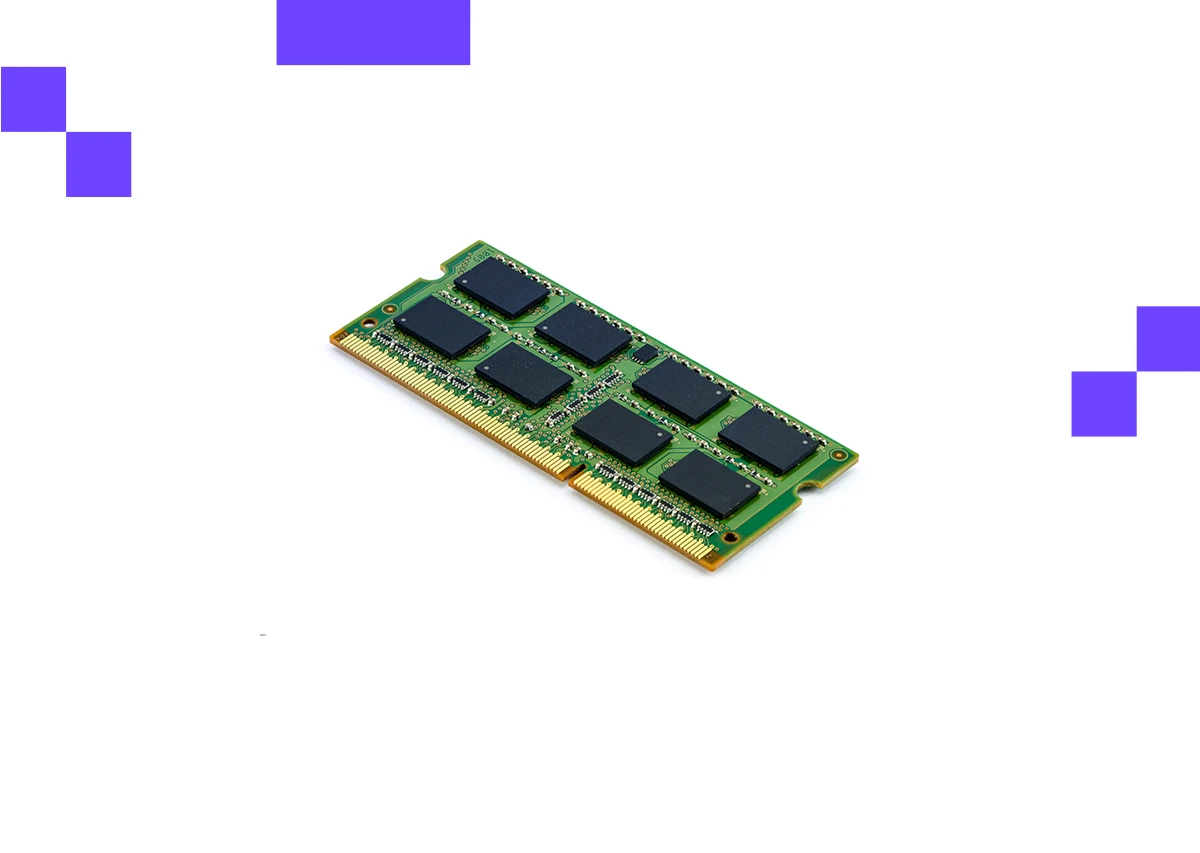
The Scale of the Memory Crisis
To understand the solution, we must first look at the sheer scale of the disruption. The current crisis is driven by a fundamental shift in global manufacturing.
- The Cause: High-Bandwidth Memory (HBM) for AI data centers has effectively “cannibalized” traditional capacity. By the end of 2026, data centers are projected to consume 70% of global memory production, leaving smartphones, PCs, and home appliances fighting for the scraps.
- The Impact: We are seeing a three-pronged threat:
- Margin Compression: Memory now accounts for up to 20% of the total bill of materials for mid-range hardware.
- Demand Destruction: With PC prices increasing by 15–20% and RAM costs rising by 172% over the last year, consumers are hesitating.
- Competitive Vulnerability: The big decision for manufacturers is how to manage the channel with varying price points of like-for-like products, potentially overstocked retailers and distributors and cash-strapped consumers.
Numbers That Matter: 2026 Memory Outlook
| Metric | Impact Level |
| PC/Laptop Price Increase | +15% to 20% |
| RAM Price Escalation | +172% (since 2025) |
| HBM Production Share | 70% of global output |
| Forecasted Duration | Continuing through 2027 |
Why This Shortage Is Structurally Different
Unlike previous semiconductor cycles, this disruption is not purely cyclical.
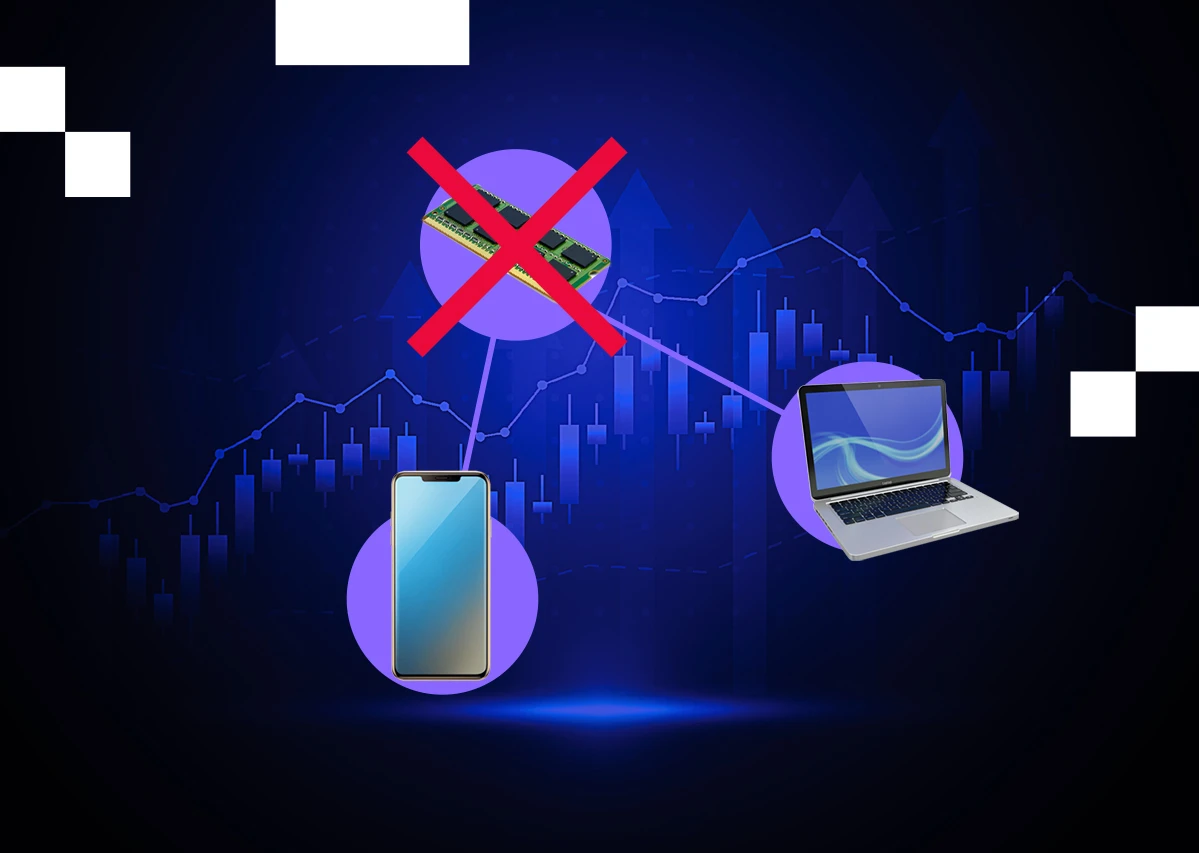
Industry analysts highlight that AI infrastructure demand is permanently reallocating silicon capacity toward high-bandwidth memory (HBM) and enterprise-grade components. As hyperscalers scale AI data centres, consumer device manufacturers are competing for increasingly constrained DRAM and NAND supply.
The impact is visible across:
- Smartphones facing potential average selling price increases
- PCs and AI-enabled laptops seeing 15–20% price adjustments
- Gaming consoles and consumer hardware under specification pressure
This is not a short-term imbalance. It represents a structural shift in how global memory production is prioritised.
For brands, that means pricing pressure may persist well into 2027.
Why Traditional Pricing Strategies Fail in a Supply Crisis
When costs rise by 15–20%, brands instinctively reach for discounts to protect volumes.
But discounting in a cost-inflation environment creates three long-term risks:
- Permanent margin erosion
- Channel conflict
- Brand devaluation
In a market where input costs are structurally higher, short-term price cuts compound long-term instability.
This is where strategic sales promotions outperform reactive discounting.
Strategic Sales Promotions That Protect Margins
When shelf prices rise, traditional “percentage-off” discounting is a race to the bottom. Instead, brands must use high-impact promotional mechanics to bridge the “affordability gap” and provide reassurance to customers entering the market.
1. Cashback: Protecting RRP While Bridging the Affordability Gap
Cashback allows brands to maintain Recommended Retail Price while offering meaningful financial relief.
Because not every customer redeems, the effective cost is significantly lower than a blanket discount. That protects brand margins while still delivering a strong perceived reward.
2. Trade-In: Turning Scarcity Into Leverage
With used memory components and legacy devices increasing in resale value, trade-in programs create asymmetry in favour of the brand.
The result is a lower net cost without cutting prices and a circular economy narrative that strengthens positioning.
3. Buy & Try: Removing Risk in a High-Price Market
As hardware becomes more expensive, purchase decisions take longer.
Buy & Try mechanics reduce hesitation by removing perceived risk. Customers can experience premium devices with confidence, even in volatile pricing environments.
In inflationary cycles, reassurance drives conversion.
4. Gift with Purchase (GWP): Increasing Perceived Value Without Reducing Price
Bundled accessories, warranties, or services deliver higher perceived value at a lower real cost than direct price cuts.
During a consumer electronics price increase, gift with purchase promotions protect margins while reinforcing premium positioning.

The “Practical Playbook” for Brand Teams
Navigating the next 12–18 months requires a proactive stance. Here is your roadmap:
- Audit your approach: Shift away from margin-eroding blanket discounts toward conditional rewards.
- Launch Trade-In Programs: Capitalize on the current high value of used components to lower the barrier to entry for new models.
- Target Premium SKUs: Use “Buy & Try” to de-risk high-ticket items where price sensitivity is most acute.
- Accelerate Payouts: Use instant digital wallet delivery (Apple Pay/Google Pay) to ensure customer satisfaction is immediate, even if the price is high.
- Cap Your Risk: Utilize actuarial modeling and insured promotions to ensure that even if a campaign is wildly successful, your costs remain fixed.

The Opia Advantage
In a structurally inflationary tech market, promotional mechanics are no longer tactical marketing tools. They are financial instruments.
This is where Opia steps in. We design and manage promotions as controlled financial instruments, mitigating operational and commercial risk at scale.
- Proven Track Record: We’ve distributed over £800M in rewards across 1,800+ global campaigns.
- Technical Superiority: Our platform features 80%+ AI-powered automation, sub-1% fraud rates, and reward delivery in under two seconds.
- Government-Grade Reliability: From managing the UK Ministry of Justice Family Mediation Voucher Scheme to supporting world-leading tech OEMs, our infrastructure is built for scale and security.
Conclusion: Don’t Wait Out the Shortage
The memory crisis isn’t a temporary blip; experts project supply constraints to last well into 2027. Brands that wait for “prices to normalize” will lose market share and loyalty that may never return.
Ready to turn a market shortage into an opportunity to win?
Contact Opia today to discuss how we can build a custom promotional strategy that navigates the 2026 shortage without sacrificing your brand’s value.
FAQs
Is the memory chip shortage in 2026 temporary?
Current projections suggest supply constraints may persist through 2027 due to structural reallocation toward AI infrastructure and data centre demand.
Why are PC and smartphone prices increasing?
Memory can account for up to 20% of a device’s total bill of materials. Rising DRAM and NAND costs are driving 15–20% price increases across consumer electronics.
Why shouldn’t brands rely on discounting during a supply crisis?
Blanket discounting erodes margins and devalues pricing in a structurally inflationary market. Once reduced, prices are difficult to restore.
How can brands protect margins without reducing RRP?
By using conditional promotional mechanics such as cashback, trade-in, buy & try, or gift with purchase, brands can maintain price integrity while offering targeted value.
Are trade-in promotions effective during hardware shortages?
Yes. When component resale values rise, trade-in programs create asymmetric value, reducing net cost for consumers while protecting brand margins.
How can Opia support during supply chain disruptions?
Opia designs and manages promotional strategies that control financial exposure, automate validation, and protect margins – even in volatile market conditions.