



Coupon Marketing: A Complete Guide
Coupons remain one of the most reliable tools in a marketer’s toolkit, but only when they are built around a strategy rather than handed out as a blanket discount. A coupon issued without a clear goal, audience, and set of rules is not a strategy. It is a margin leak with a barcode.
This guide covers what a coupon marketing strategy actually involves, the types of coupon that work for different objectives, the rules that protect your margin, and where mobile and digital channels fit. It also covers something most guides on this topic skip: where coupons stop being the right tool, and what to use instead once your product price point rises.
Table of Contents
- Key Takeaways
- What Is a Coupon Marketing Strategy?
- Benefits of Coupon Marketing
- The Risks Worth Knowing Before You Launch
- Types of Coupon Marketing Strategy
- Mobile Coupon Marketing
- Building Your Coupon Marketing Strategy: A Practical Framework
- Coupon Rules That Protect Your Margin
- Distribution Channels Worth Prioritising
- When Coupons Are Not the Right Tool
- How Opia Can Help
- FAQs
Key Takeaways
- A coupon marketing strategy ties every discount to a specific goal and audience. Random discounting is not a strategy, it is a cost
- Coupons work well for lower-value, higher-frequency purchases. For considered purchases over roughly £100, redemption-based mechanics such as cashback typically outperform them
- The most common coupon types are first-purchase, cart recovery, loyalty, seasonal, referral, and flash sale codes, each suited to a different stage of the customer journey
- Mobile is now central to coupon marketing, through wallet integration, QR codes, in-app triggers, and SMS
- Redemption rate alone is a poor success metric. A high redemption rate can still mean you discounted sales that would have happened anyway
- Coupon rules, including single-use codes, product restrictions, and budget caps, are what separate a controlled campaign from an expensive one
What Is a Coupon Marketing Strategy?
A coupon marketing strategy is a planned approach to using discounts, promo codes, or digital vouchers to influence a specific customer action. That action might be a first purchase, a completed checkout, a repeat order, or a referral.
The word that matters here is planned. Coupons distributed without a clear goal, defined audience, and set of redemption rules tend to attract price-driven shoppers, erode margin, and train customers to wait for the next discount rather than buy at full price.
A structured approach avoids this by starting with a single question before anything goes live: what customer behaviour are we trying to change, and is a coupon actually the right lever to change it?

Benefits of Coupon Marketing
- Immediate sales lift: coupons create urgency and give hesitant buyers a reason to act now rather than later
- Customer acquisition: a well-targeted first-purchase code lowers the barrier for someone trying your brand for the first time
- Retention: personalised offers to existing customers, based on purchase history, reinforce loyalty without relying on price alone
- Measurable performance: digital codes are trivial to track, giving you clean data on redemption, conversion, and campaign ROI
The Risks Worth Knowing Before You Launch
Coupons carry real risk if the strategy is weak. The most common failure modes are worth naming upfront.
- Brand devaluation: frequent, predictable discounting signals that your product is not worth full price
- Attracting the wrong customer: broad, public codes tend to draw price-driven shoppers who churn quickly and rarely become loyal buyers
- Cart abandonment loops: a visible coupon field at checkout can send shoppers off to search for a better code, delaying or losing the sale entirely
- Fraud and misuse: shared, reused, or stacked codes can turn a controlled campaign into an uncapped cost. See our guide on how to prevent coupon fraud and abuse for the specific controls that matter here
- Reward value ceiling: barcode-based coupons are easy to replicate and share. For reward values above roughly £5, a redemption-based mechanic such as cashback or a digital gift card via gift with purchase gives you far stronger fraud protection


Types of Coupon Marketing Strategy
Different objectives call for different coupon formats. Here are the ones worth knowing.
First-purchase discounts
A modest percentage or flat amount off a first order, used to convert a hesitant new visitor. Keep the value low enough to protect margin while still being meaningful.
Cart recovery codes
Time-limited offers triggered by an abandoned cart or exit intent. Effective, but use sparingly. If every abandoned cart earns a discount, shoppers learn to abandon deliberately.
Loyalty and retention codes
Exclusive codes for existing or repeat customers, often tied to purchase history or a spend threshold. These reward the right audience rather than discounting indiscriminately.
Seasonal and event-based codes
Offers timed to Black Friday, back to school, or other predictable shopping moments, when customers are already in a buying mindset.
Referral codes
A double incentive that rewards both the existing customer and the person they refer, which tends to bring in higher-quality new customers at a lower acquisition cost than paid media. For a broader look at this mechanic, see our guide to customer referral programmes.
Flash sales and limited-time offers
Short, high-urgency windows that work well for clearing stock or generating buzz around a launch, but are the format most likely to train customers to wait if used too often.
Mobile Coupon Marketing
Most coupon redemption now happens on a phone, and a strategy that ignores this is incomplete. Mobile-first execution covers several specific mechanics worth building into your plan.
- Mobile wallet integration: codes saved directly to Apple Wallet or Google Pay remove the need to copy, remember, or type anything at checkout
- QR codes: bridge online and in-store redemption cleanly, particularly useful for print, packaging, and in-store signage
- In-app triggers: coupons surfaced at the right moment inside an app, based on browsing or cart behaviour, convert meaningfully better than generic push notifications
- SMS: the highest open-rate channel available, best reserved for genuinely time-sensitive offers rather than routine promotions
The common thread across all of these is friction removal. Every extra step between seeing an offer and redeeming it costs you conversions.

Building Your Coupon Marketing Strategy: A Practical Framework
A coupon strategy that works is built in this order, not launched and figured out afterwards.
1. Define one clear goal
Every campaign needs a specific objective: new customer acquisition, cart recovery, average order value increase, inventory clearance, or referral growth. “Boost sales” is not a goal you can design a campaign around. “Increase first purchases from new visitors by 15%” is.
2. Define the audience
Decide who receives the offer and who explicitly should not. A new-customer discount reaching your most loyal repeat buyers is a common and expensive mistake. Segment by purchase history, spend level, or lifecycle stage.
3. Choose the right incentive
Not every goal needs a percentage discount. Free shipping, a fixed amount off, a gift with purchase, or a loyalty point multiplier can all outperform a straight discount depending on the objective and the margin you have to work with.
For a broader comparison of tactics, see our guide on discounts vs sales promotions vs offers.
4. Set the rules before launch
This is where a strategy becomes a controlled campaign rather than an open-ended cost. Covered in full detail below.
5. Choose your distribution channels
Match the channel to the moment. A cart recovery offer belongs in a lifecycle email or app trigger. A seasonal campaign might work better as a public, on-site promotion.
6. Measure the right thing
Redemption rate on its own tells you little. A campaign can have a high redemption rate and still be unprofitable if most of those redemptions would have converted anyway at full price. Track incremental sales uplift, new versus existing customer split, and average order value alongside redemption.

Coupon Rules That Protect Your Margin
Rules are what separate a strategy from a giveaway. At minimum, define these before any code goes live.
| Rule | What It Controls |
| Redemption limit | How many times a single customer can use the code |
| Product or category restriction | Which items the discount applies to |
| Stacking rule | Whether the code can be combined with other offers or loyalty discounts |
| Validity window | Start and end date, and any time-of-day restrictions |
| Budget or volume cap | A hard stop on total redemptions once the campaign is spent |
| Code uniqueness | Single-use, unique codes rather than one shared code, to prevent sharing and reuse |
Distribution Channels Worth Prioritising
Not every channel suits every campaign. A quick guide to matching channel to purpose:
- Email: best for segmented offers to an identified audience, not mass discount blasts
- SMS and push: best for time-sensitive, urgent offers with a short redemption window
- On-site placements: banners, wallets, and account areas that customers can return to, rather than pop-ups that vanish and get ignored
- Social media: strong for reach and awareness, less effective as a channel for tightly controlled, margin-sensitive offers
- Affiliate and influencer: effective when each partner has a unique, trackable code, so you can see which relationships bring genuinely new customers rather than just discounted repeat ones


When Coupons Are Not the Right Tool
This is the part most guides on this topic skip entirely, and it matters. Coupons are well suited to lower-value, higher-frequency purchases where the discount amount is small and the fraud exposure per code is limited.
Once the reward value rises, typically above around £5, barcode-based coupons become a weaker choice. A barcode is easy to photograph, screenshot, and share well beyond its intended audience, and even a sophisticated clearing house cannot fully close that gap. If the code ends up circulating online, the cost of the campaign can significantly exceed what was budgeted.
For considered purchases, the kind Opia typically works on for clients selling appliances, electronics, and other higher-ticket products, a redemption-based mechanic is the better fit.
Cashback and gift with purchase both require the customer to submit proof of purchase, which gives you far stronger validation, richer customer data, and materially lower fraud exposure than a shared discount code. Trade-in promotions are also worth considering where the category supports it.
The honest way to think about this is a threshold, not a rule of thumb someone tells you once and you forget. Retailer coupons work well for lower-cost, fast-moving goods. For higher-value items, a validated, redemption-based promotion protects both your margin and your brand.
How Opia Can Help
Opia specialises in sales promotion for brands selling considered, higher-value products, typically priced above £100 and purchased annually or less often. We work across omnichannel campaigns for both B2B and B2C markets, managing cashback, trade-in, and referral programs end to end, from the branded redemption site through to claim validation, fraud prevention, and fulfilment.
If your promotional strategy has outgrown what a coupon can safely deliver, get in touch with our team to talk through the right mechanic for your product and margin.
FAQs
What is a coupon marketing strategy?
A planned use of discounts or promo codes tied to a specific goal, audience, and set of rules, rather than discounting without a clear objective.
What is the best type of coupon for new customer acquisition?
A modest first-purchase discount, kept low enough to protect margin while still giving a hesitant new visitor a reason to buy.
How do I prevent coupon fraud?
Use unique, single-use codes, set redemption limits per customer, and cap the total campaign budget.
Is redemption rate a good measure of coupon success?
Not on its own. A high redemption rate can still mean you discounted sales that would have happened at full price anyway. Track incremental uplift alongside it.
When should I use cashback instead of a coupon?
Once the reward value rises above roughly £5, or the product is a considered purchase over around £100. Barcode coupons are easy to share beyond their intended audience, while cashback requires proof of purchase, giving stronger fraud protection.
What channels work best for coupon distribution?
Email and SMS for segmented, time-sensitive offers. On-site placements for evergreen deals. Affiliate and influencer codes when you need clean attribution on new customer acquisition.

How to Detect and Prevent Loyalty Program Fraud
Loyalty programs are a key driver of customer engagement and brand loyalty, offering rewards that incentivise repeat purchases and build lasting relationships. But as loyalty programs grow in popularity, so too does the threat of fraud. Fraudsters are constantly looking for ways to exploit these systems, causing significant damage to businesses and undermining the trust that loyal customers place in the brand.
According to Statista, loyalty fraud accounted for 27% of all fraud attempts experienced by online merchants. This alarming statistic highlights the growing threat posed by loyalty fraud and the urgent need for businesses to detect and prevent it.
In this blog, we’ll explore what loyalty fraud is, how it affects businesses, and the steps you can take to detect and prevent it; while showcasing how Opia’s innovative sales promotion solutions can protect your business.

What Is Loyalty Fraud?
Loyalty fraud occurs when individuals, whether opportunistic customers or organised fraudsters exploit the vulnerabilities in a loyalty program to gain unauthorised rewards. This fraud can take many forms, from account takeovers to creating fake accounts or manipulating transactions. The results can be devastating, including financial losses, devalued rewards, and a loss of trust from legitimate customers.
For example, loyalty fraud can occur through:
- Account Takeovers: Fraudsters gain access to customer accounts and redeem points or rewards.
- Fake Account Creation: Fraudsters create multiple accounts using fake identities to exploit sign-up bonuses and rewards.
- Transaction Manipulation: Fraudsters artificially increase transaction values and numbers of transactions to accumulate more loyalty points than they are entitled to.
In every case, fraudsters damage the integrity of your loyalty program and diminish its value to genuine customers.
How Loyalty Fraud Affects Your Business
Loyalty fraud doesn’t just affect your rewards program, it has far-reaching impacts on your entire business. Beyond financial losses, it can harm your brand reputation, reduce customer trust, and increase operational costs.
Here’s how loyalty fraud typically impacts businesses:
- Revenue loss: Fraudsters redeem fraudulent rewards, costing businesses money with little to no return.
- Brand Damage: When customers discover their loyalty points have been stolen, they often blame the business, leading to a loss of trust and brand loyalty.
- Operational Costs: Detecting and dealing with loyalty fraud is time-consuming and expensive, diverting resources from other business priorities. The cost impact of loyalty fraud can be especially high with complex loyalty programs, or where poor controls or manual processes are used to track and monitor suspected fraudulent activity.
Industries most frequently targeted by loyalty fraud include:
- Online Retail: E-commerce platforms with loyalty programs are prime targets. Fraudsters can use stolen accounts or create fake accounts to make fraudulent purchases, redeem rewards for themselves, or resell stolen goods/gift cards. The high volume of online transactions can make it harder to detect fraudulent activity.
- Airlines and Travel Agencies: Airline miles and travel points are highly valuable and can be easily traded or sold. Fraudsters may steal frequent flyer accounts, book flights or upgrades fraudulently, or use stolen points to purchase tickets for resale. The global nature of travel can make it challenging to track and prevent fraud across different jurisdictions.
- SaaS Companies: Software-as-a-Service companies that offer loyalty programs or rewards for referrals are vulnerable. Fraudsters may create fake accounts to exploit free trials, referral bonuses, or discounts. They may also target high-value accounts to gain access to sensitive data or disrupt services.
- Ride-Sharing Platforms: Ride-sharing services with rewards programs or promotional offers can be targeted. Fraudsters might create fake accounts to get free or discounted rides, manipulate referral systems, or use stolen credit card information to fund rides. The frequent use of promotional codes and discounts can make it easier for fraudsters to blend in with legitimate users.
- Fintech and Financial Services: Financial institutions and fintech companies offering rewards programs are attractive targets. Fraudsters may attempt to steal reward points, cash-back bonuses, or manipulate systems to gain unauthorised benefits. The sensitive nature of financial data makes these industries particularly vulnerable to data breaches and account takeovers.
- Gaming: Online gaming and gambling platforms often have loyalty programs with reward points, virtual currency, or bonuses. These digital assets are attractive to fraudsters who can steal them, launder money through them, or exploit them for profit.
- Hospitality: Hotels and hotel chains with rewards programs are susceptible. Fraudsters can exploit stolen credentials to book free stays, upgrade rooms, or access other benefits.
- Food and Beverage: Coffee shops, restaurant chains, and food delivery services with loyalty programs are increasingly targeted. Fraudsters may steal accounts to get free food and drinks or resell stolen accounts/points.
- Retail (General): This expands beyond online retail to include brick-and-mortar stores with loyalty programs. Think department stores, supermarkets, and specialty retailers. Fraudsters may use stolen or counterfeit loyalty cards, manipulate coupons, claim fraudulent cashback, or claim fraudulent free gift or gift with purchase promotions run by retailers, phone networks or b2b or b2c consumer goods manufacturers, or exploit return policies for fraudulent gain.
- Fuel and Convenience Stores: Petrol station chains and convenience stores with rewards programs can be targeted for fuel discounts or merchandise. Fraudsters may use stolen credit cards, loyalty cards, or manipulate pump systems to obtain unauthorised fuel discounts.
- Entertainment: This can include cinemas, theme parks, and event ticketing platforms with loyalty schemes where points can be redeemed for tickets or experiences. Fraudsters may steal accounts to access free tickets, resell tickets obtained through fraudulent means, or exploit vulnerabilities in online booking systems.
Each of these industries faces unique challenges, but loyalty points are treated like currency across all sectors, making fraud detection critical.
Common Types of Loyalty Program Fraud
Loyalty fraud can take various forms. Below are the most common types, with examples to illustrate how they occur:
1. Account Takeover Fraud
Fraudsters gain access to a legitimate customer’s account, often using phishing or data breaches. Once inside, they steal points, change account details, or resell rewards.
Example: A fraudster gains access to a hotel loyalty account and redeems accumulated points for a free stay, leaving the legitimate customer without rewards and damaging the hotel’s reputation.
2. Fake Account Creation
Fraudsters create multiple accounts using fake identities to exploit sign-up bonuses or referral programs. This not only drains genuine customer engagement but also inflates the perceived success of the program.
Example: A fraudster uses fake email addresses to create 50 accounts and claim referral bonuses, costing the company hundreds in rewards with no actual customer retention.
3. Transaction Manipulation
Fraudsters manipulate transactions to accumulate more rewards than they should. For instance, repeatedly making low-value purchases to gain points disproportionately.
Example: A customer repeatedly makes small purchases in an e-commerce store just under the threshold required for free shipping, earning points without making meaningful purchases.
4. Fraudulent Receipt Uploads
For loyalty programs that use receipt scanning, fraudsters upload manipulated or duplicated receipts to falsely claim rewards.
Example: In a grocery store loyalty program, fraudsters upload altered receipts to claim cashback rewards for products they didn’t actually purchase.
5. Referral Collusion
Multiple individuals conspire to create fake accounts or share referral codes illegitimately to gain rewards.
Example: A group of individuals sign up using fake email addresses and continuously refer to each other, triggering referral bonuses without any genuine customer acquisition.
6. Coupon Code Abuse
Fraudsters exploit promotional codes meant for specific customer segments by using loopholes in the system, claiming discounts they aren’t eligible for.
Example: A fraudster shares a promotional code meant for a regional campaign on a coupon-sharing website, allowing users outside the target area to claim discounts not intended for them.
Coupon abuse is just one form of fraud that can affect your business. Discover strategies to protect your program in our guide on How to Prevent Coupon Fraud and Abuse.


How to Detect and Prevent Loyalty Fraud
Preventing loyalty fraud is essential for the success of your program. Here are the most effective strategies:
1. Monitor Account Activity
Implement systems that regularly monitor loyalty account activity, flagging suspicious behaviours such as multiple accounts from the same IP address, rapid accumulation of points, or frequent reward redemptions.
2. Use Multi-Factor Authentication (MFA)
Require MFA for account logins, especially when customers log in from new devices or unfamiliar locations. This significantly reduces the risk of account takeovers.
3. Limit Points Transferability
By limiting the ability to transfer points between accounts, you can reduce the risk of fraudsters reselling or misusing loyalty points.
4. Leverage AI and Data Analytics
Opia’s advanced software can help detect unusual patterns in customer behaviour, such as rapid point accumulation or high redemption rates. Our real-time monitoring helps stop fraud before it escalates.
Case Study: Opia’s: Combating Fraud with Opia’s AI-Powered Monitoring
In today’s digital landscape, promotional campaigns are highly susceptible to fraudulent activities. Both individual bad actors and organised groups constantly seek to exploit promotions for their gain, costing businesses millions in lost revenue and undermining campaign integrity. Opia’s AI-powered monitoring systems have been instrumental in preventing such fraudulent activity, safeguarding our clients’ promotions and ensuring that rewards reach only legitimate customers.
The Challenge: Detecting and Preventing Diverse Fraudulent Tactics
Fraudulent activities targeting promotions can take various forms, including:
- Multiple redemptions by single users: Individuals attempting to use the same promo code multiple times
- Bot attacks: Automated bots exploiting promotions at scale
- Account sharing: Users sharing promotional codes with ineligible individuals
- Fake accounts: Creating numerous fake accounts to exploit promotions
Traditional fraud prevention methods often struggle to keep pace with these evolving tactics. Opia’s AI-powered monitoring system addresses this challenge by providing real-time analysis and proactive intervention.
Opia’s Solution: AI-Powered Monitoring and Real-time Fraud Prevention
Opia’s AI-powered monitoring system continuously analyses vast amounts of data, including user behaviour, redemption patterns, and device information. This enables the system to identify suspicious activities and flag potentially fraudulent transactions.
Results: Millions of Pounds Saved and Enhanced Campaign Integrity
Opia’s AI-powered monitoring system has successfully prevented millions of pounds of fraudulent activity across our clients’ promotions. By proactively identifying and blocking fraudulent transactions, Opia has helped businesses:
- Protect their bottom line: Preventing financial losses due to fraud
- Maintain campaign integrity: Ensuring that promotions are fair and rewards reach the intended audience
- Enhance brand reputation: Safeguarding customer trust and brand image
- Gain valuable insights: Understanding fraud patterns and improving future campaign strategies
The right technology is essential to prevent fraud. Explore our list of the Best Customer Loyalty Software to find solutions that fit your needs.
5. Educate Customers
Regularly educate customers on the importance of securing their loyalty accounts with strong passwords and avoiding phishing scams. Customers should view their loyalty points like cash; valuable and worth protecting.
6. Delay Redemption Periods
Implementing a delay between point accumulation and redemption gives you time to detect suspicious activity before rewards are issued.
7. Regular Audits and Updated Terms
Regularly audit your loyalty program for potential loopholes and tighten the terms and conditions to prevent customers from exploiting them. Ensuring your program’s policies are robust and clear will help prevent both opportunistic and organised fraud.
Understanding consumer behaviour is critical to designing effective loyalty programs that prevent fraud. Learn more in our article on The Psychology Behind Sales Promotions.
Opia’s Sales Promotion Solutions for Fraud Prevention
At Opia, we know that protecting your loyalty programs from fraud is vital to maintaining customer trust. Our bespoke sales promotion solutions are designed not only to boost engagement, and encourage repeat purchase from your loyal customers, some of whom are excited to update their device on a regular basis, and are seeking an offer to encourage them to update.
- Cashback Promotions: Our cashback promotions are more cost-effective than traditional discounts, encouraging genuine purchases while controlling reward distribution. Our validation process allows cashback promotions to be run omnichannel including multiple retailers and in multiple territories.
- Gift with Purchase Promotions: Our Gift with Purchase Promotions involves offering a free accessory to customers who purchase a specific device. This strategy incentivise customers to buy the primary product by adding value to their purchase. The free accessory could be anything that complements the main item, such as headphones for a smartphone or a case for a tablet.
- Referral & Rewards Programs: Opia’s innovative referral programs drive customer loyalty while incorporating fraud prevention measures like real-time monitoring and secure customer verification.
- Instant Win Promotions: Our instant win promotions create excitement around your products while preventing fraud through robust verification processes and advanced monitoring.
With 20 years of experience working with global brands, Opia can help you design and implement a secure loyalty program that keeps fraud at bay.

Conclusions
Loyalty fraud is a growing threat to businesses, but with the right strategies, it can be detected and prevented. Protecting your loyalty program ensures long-term success, safeguards your brand, and enhances customer trust.
Key takeaways:
- Loyalty fraud can lead to significant financial and reputational losses.
- Common types of fraud include account takeovers, fake accounts, and coupon abuse.
- Use technologies like MFA, AI-driven analytics, and real-time monitoring to detect and prevent fraud.
- Educating customers and auditing your program regularly are crucial steps to staying secure.
FAQs
What is loyalty fraud?
Loyalty fraud occurs when individuals exploit vulnerabilities in a loyalty program to gain rewards illegitimately, often through account takeovers or fake accounts.
What is reward fraud?
Reward fraud involves manipulating reward systems to gain unearned benefits, devaluing the program and damaging customer trust.
How can I prevent loyalty card fraud?
Prevent loyalty card fraud by implementing MFA, monitoring account activity, and educating customers on secure account practices.
What’s the best way to detect loyalty fraud?
The best way to detect loyalty fraud is by using AI and real-time monitoring systems to identify suspicious patterns of behaviour.
How can I future-proof my loyalty program against fraud?
Future-proof your loyalty program by regularly updating your terms and conditions, auditing your program for loopholes, and implementing proactive fraud detection strategies.
How can Opia help protect my loyalty program from fraud?
Opia offers tailored solutions with real-time monitoring, AI-driven analytics, and robust security to protect your loyalty program from fraud.
Does Opia only work with large businesses, or can SMEs benefit as well?
Opia works with businesses of all sizes, offering scalable fraud prevention solutions for both SMEs and large corporations.
To learn more about building fraud-resistant loyalty programs, check out our Guide to Customer Loyalty Programs.

How to Prevent Coupon Fraud and Abuse
Coupons, vouchers, and gift cards are powerful tools in sales promotions, offering businesses the opportunity to engage customers, boost sales, and foster brand loyalty. However, with great value comes significant risk, coupon fraud and abuse can undermine the success of these promotions, leading to financial losses.
In this blog, we explore what coupon fraud is, how it impacts businesses, and the strategies and tips you can use to prevent it.
What is Coupon Fraud or “Misuse”?
Coupon fraud occurs when an individual or group manipulates or misuses coupons for personal gain, exploiting loopholes in promotional campaigns. This can include anything from using counterfeit coupons, redeeming coupons multiple times, to misrepresenting eligibility for promotions.
Coupon misuse is a growing issue, affecting businesses of all sizes, and if left unchecked, it can erode profit margins and damage brand reputation.

How Coupon Fraud Can Affect Your Business
Coupon fraud doesn’t just eat into profits—it can damage relationships with loyal customers, disrupt marketing strategies, and complicate campaign metrics.
When fraudsters manipulate your promotions, the ROI (return on investment) of your marketing efforts becomes skewed, making it harder to evaluate campaign success. Additionally, businesses may find themselves needing to increase prices or tighten policies, which could alienate genuine customers.

How Do Coupons Get Frauded?
There are many ways fraudsters exploit coupons, ranging from simple methods to more sophisticated schemes. Some common tactics include:
- Code Cracking: Simple or poorly structured coupon codes are guessed or cracked by fraudsters using automated software.
- Multiple Redemptions: A single-use coupon is exploited by using it multiple times, often by creating fake accounts.
- Fake Email Addresses: Fraudsters generate multiple accounts using fraudulent emails to claim new-user discounts repeatedly.
- Cart Abandonment Exploits: Customers may purposely abandon carts to trigger cart abandonment discount emails, exploiting this feature to continually receive offers.
Protecting your promotional efforts with secure coupon codes and smart validation is essential. Opia’s tailored sales promotion solutions offer built-in fraud prevention measures to keep your campaigns safe.
Common Types of Coupon Fraud
Code Cracking
Fraudsters guess simple coupon codes or use automated scripts to repeatedly try different combinations until they find a working code. This practice can lead to a flood of unauthorised redemptions.
Multiple Account Creation
By creating multiple fake accounts, fraudsters exploit promotions meant for new customers, taking advantage of one-time offers repeatedly.
Sharing Codes Illegally
Coupons intended for individual use are shared across coupon websites or social media, allowing widespread unauthorised redemptions.
Misusing Referral Programs
Referral bonuses are a common fraud target, where fraudsters create multiple fake accounts to redeem referral rewards, inflating campaign costs without gaining real new customers.

How Businesses Can Prevent Coupon Fraud
Preventing coupon fraud requires a proactive approach and the right tools. Here are some key strategies and tips to protect your promotions from misuse:
Generate Secure Coupon Codes
Ensure coupon codes are randomly generated with a combination of letters, numbers, and special characters. Avoid simple, easily guessed codes such as ‘SAVE10’. Tools like our secure promotion engine can help create and manage robust and unique coupon codes for your campaigns.
Limit Redemptions
Set strict rules on coupon usage. Limit redemptions to one per customer or email, and consider IP address monitoring to detect suspicious activities like multiple redemptions from the same source.
Delay Reward Payments and Fulfilment
For larger, more valuable & higher risk promotional rewards, consider if delayed gratification would be appropriate. Using a redemption based mechanic, with a claim and validation gives time to assess if the claim is valid, which can reduce the impact of fraudulent activity provided that your agency or validation process is robust and hardened against fraudulent attacks.
Control Coupon Distribution
Prevent unauthorised sharing by personalising codes for specific customers and adding unique redemption conditions. Use geofencing or customer profiles to ensure coupons are redeemed in appropriate locations or by eligible users.
Set Expiration Dates
Coupons with no expiration date are ripe for abuse. By setting strict start and end dates, you limit the window of opportunity for fraud. Flash promotions with short timeframes can also encourage faster, legitimate use.
Monitor Redemption Patterns
Regularly review redemption data to spot unusual activity. A sudden spike in redemptions or redemptions from a single user may indicate fraud. Our end-to-end promotion management services allows us to track and analyse redemption data, by using hundreds of different data points to prevent abuse.
What to Do When Coupon Fraud Occurs
When coupon fraud happens, it’s critical to respond quickly to minimise financial losses and protect your brand. Here are the steps you should take:
Identify and Suspend the Fraudulent Activity
Start by identifying the source of the fraud. This could involve reviewing suspicious coupon redemptions, multiple redemptions from the same user, or unexpected spikes in coupon usage. Once identified, suspend the fraudulent codes or campaigns, and consider flagging the user to prevent further misuse.
Block or Flag Suspicious Accounts
If fraud is linked to specific accounts, block or flag those accounts for further investigation. Consider implementing more stringent verification processes, such as requiring two-factor authentication, for affected users.
Communicate with Genuine Customers
In cases where legitimate customers are involved, whether knowingly or unknowingly—it’s important to be transparent and maintain customer trust. Reach out to affected customers, explaining the situation and offering a resolution. This could involve issuing new coupons, providing a discount as compensation, or resolving any issues they may have faced.
Interested in how psychology influences consumer behaviour in promotions? Check out our blog on The Psychology Behind Sales Promotions for deeper insights.
Conclusion
Coupon fraud is a serious threat to businesses running promotions, but with the right preventive measures, you can protect your campaigns and customers. By generating secure codes, monitoring redemptions, and using targeted solutions, you’ll safeguard your promotions and ensure success.
With over 16 years of experience and a proven track record in delivering effective, secure promotions, Opia is your trusted partner for driving growth while safeguarding against fraud. Learn more about our Cashback Promotions, Trade-In Promotions, and Referral & Rewards Programs to discover how we can support your business goals.
FAQs
Q: Can coupons be traced?
A: Yes, businesses can track coupon usage through unique codes and advanced tools that monitor redemption details like where and when they were used.
Q: How do you stop coupon fraud?
A: Use secure codes, limit redemptions, monitor activity, and employ fraud detection software, while regularly updating security measures.
Q: How do you detect coupon fraud?
A: Detect coupon fraud by monitoring redemption patterns, user behaviour, and transactional data for unusual activities, like multiple redemptions or account takeovers.
Q: Can you get in trouble for coupon fraud?
A: Yes, coupon fraud is illegal and can lead to criminal charges, fines, and bans from future promotions, along with civil lawsuits and reputational damage.
Q: Is coupon stacking fraud?
A: Coupon stacking isn’t always fraud, but it can be when it violates promotion terms. Clear communication of policies is key to avoiding misuse.
Q: What are the consequences of coupon fraud?
A: Coupon fraud leads to financial losses, skewed metrics, and damaged reputation. For consumers, it can result in legal trouble and blacklisting from future promotions.
Q: How does Opia help prevent coupon fraud?
A: Opia creates secure promotional campaigns with fraud prevention measures, including hard-to-crack codes, redemption limits, and real-time monitoring.
Q: Why should I choose Opia for my sales promotions?
A: Opia tailors campaigns to your business needs, delivering innovative strategies that engage customers while protecting margins from fraud and abuse.

How to Track Promo Codes and the Best Software To Do It
In today’s competitive marketplace, businesses use promo codes, vouchers, and coupons to attract customers and drive sales. However, to ensure the success of these promotions, tracking and monitoring them effectively is key.
The right tools can help you make the most of your campaigns, prevent misuse, and provide data-driven insights.
Table of Contents
- What Is Promo Code Monitoring?
- Why Is Promo Code Monitoring Important?
- What are the Benefits of Using Vouchers, Coupons, and Promo Codes?
- Best Software For Promo Code Tracking & Monitoring
- How Promo Code Tracking Software Works
- What to Consider When Choosing Promo Code Tracking Software
- What About Coupon and Promo Code Misuse or Abuse Prevention?
- Other Ways to Track and Monitor Promo Codes
- Conclusion
- Maximise Your Promo Code Strategy with Expert Solutions
- FAQs on Promo Code Tracking and Monitoring
What Is Promo Code Monitoring?
Promo code monitoring involves tracking and analysing sales data linked to discount codes, vouchers, or coupons. It helps businesses evaluate how successful their promotional campaigns are and identify areas for improvement.
For businesses looking to integrate promo codes across both online and in-store channels, Opia’s white-label promotions like Trade-in Promotions, Cashback Promotions, and Gift with Purchase campaigns offer seamless solutions. With Opia, you can ensure accurate tracking and validation of transactions, even across omnichannel environments. This helps to issue rewards only to eligible consumers, particularly useful when internal systems like EPOS or Sales Order software can’t track all purchases.
Opia’s white-label promotional platform enables omnichannel voucher campaigns, with end user customers completing a claim, with often a proof of purchase being uploaded. By creating and using Voucher Codes, Promo Codes, Unique Reference Numbers (URNS), which are shared with the end customer and then entered during the claim process the vouchers & promo codes can be tracked across multiple retailers and countries.
This solution is often used when an omnichannel, multiple retailer sales promotion is required. Typically by manufacturers of physical hardware or software, as well as retailer buying groups that may have multiple smaller retailer branding as part of their group.
However retailers, cell phone networks and broadband companies can also benefit from this approach which is especially useful when their EPOS systems or ERP software doesn’t allow the type of tracking required.
Opia’s sales promotion platform offers the following benefits when brands are wanting to track Promo Codes:
- Unlimited Reach: Develop a consistent promotion with a practically unlimited number of eligible and participating retailers, resellers, phone networks, or other sales channels.
- Centralised Tracking: Track promo codes and sales across all channels, gaining valuable insights into campaign performance and customer behaviour.
- Actionable Reporting: Receive detailed reports on promo code usage, redemption rates, and overall campaign effectiveness, enabling data-driven decisions.
- Promocode Fraud Prevention: our redemption based programs include our AI powered fraud detection systems, which allow us to track threats in real time and prevent our client campaigns from paying out rewards to end customers that are not eligible.
By streamlining your omnichannel voucher campaigns and providing comprehensive tracking and reporting, Opia empowers you to optimise your promotions, drive sales, and enhance customer engagement.
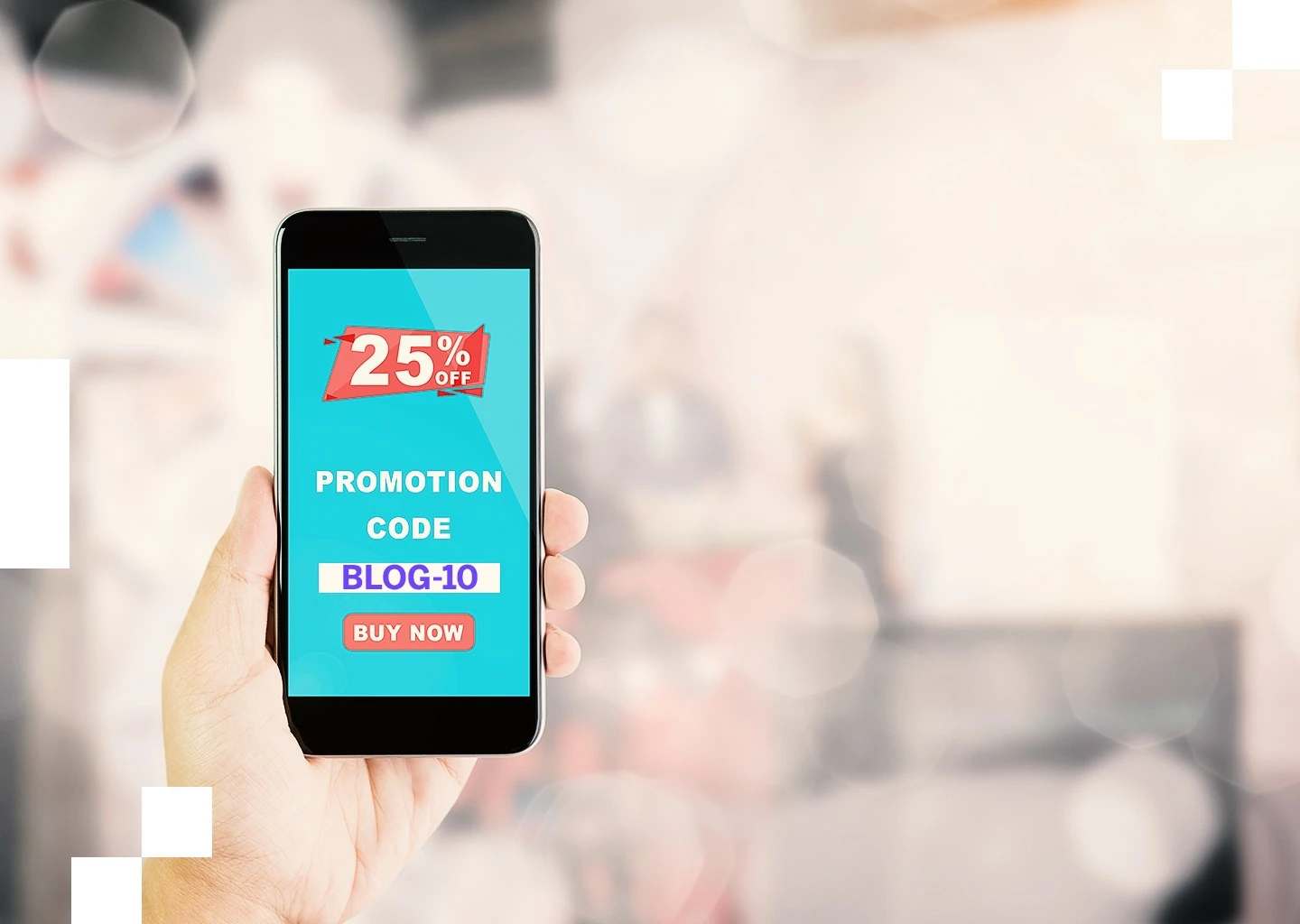
Why Is Promo Code Monitoring Important?
Monitoring promo codes is essential to the success of any promotional campaign. Here’s why:
- Data-Driven Decisions: Monitoring promo codes allows businesses to gather data on which promotions perform best and which need improvement, leading to smarter marketing strategies.
- Maximise Campaign Success: Tracking promo codes helps identify which sales channels bring in the most revenue, ensuring your efforts are focused on the right areas.
- Prevent Abuse and Misuse: By monitoring how promo codes are used, businesses can quickly catch any misuse and take action to correct it.
- Real-Time Adjustments: Promo code monitoring helps businesses correct mistakes or issues in real time, ensuring campaigns run smoothly and effectively.
Promo codes allow business owners to reward customers, attract new ones, and offer discounts to boost sales. For a deeper dive into the different types of promotions and their benefits, check out our blog on Sales Promotions Explained: Definition, Benefits, Examples and More.
What are the Benefits of Using Vouchers, Coupons, and Promo Codes?
Vouchers and promo codes offer more than just a quick sales boost; they provide long-term strategic benefits:
- Increase Click-Through Rates and Sales: When customers see a deal, they are more likely to engage and make purchases.
- Reach New Audiences: Through affiliates or partners, promo codes can be distributed to broader audiences, expanding your reach.
- Improve Conversion Rates: The added incentive of discounts encourages customers to finalise purchases, increasing conversion rates.
- Foster Brand Loyalty: Offering exclusive discounts helps establish loyalty and repeat business among customers.
For more on how sales promotions like cashback work alongside promo codes, check out our blog on Cashback Promotions: What Are They and How Do They Work?
Best Software For Promo Code Tracking & Monitoring
The best way to ensure that your promo code campaigns succeed is to use specialised software. These tools allow you to automate tracking, prevent abuse, and get valuable insights into your promotional performance.
Here’s a list of some of the top promo code tracking tools:
| Software | Core Features | Price |
| Talon.One | Promo campaigns, coupon codes | Contact for pricing |
| Impact | Unified partnership automation, coupon tracking | Starting at $30/month |
| Coupon Carrier | Email-based coupons, tracking | Starting at $49/month |
| Voucherify | API-first, coupon management | Starting at $179/month |
| Scaleo | Affiliate marketing software with coupon code management | Starting at $299/month |
| Refersion | Affiliate tracking, coupon codes | Starting at $99/month |
| AffiliateWP | WordPress plugin, coupon tracking | Starting at $149/year |
| Post Affiliate Pro | Affiliate management, coupon tracking | Starting at $129/month |
| Yotpo | Customer reviews, coupon codes | Contact for pricing |
| Opia | Omni channel Promo Codes, management, validation | Contact for pricing |
Each of these tools offers different features depending on your business needs. If you’re managing large-scale campaigns or affiliate programs, tools like Talon.One and Voucherify are ideal for integrating coupons and tracking codes efficiently.
While tools like Voucherify and Impact offer powerful features, businesses seeking a comprehensive solution can integrate Opia’s promotions to track and manage voucher and promo codes effortlessly.
These software providers are listed for general information only. Inclusion does not constitute an endorsement, recommendation or warranty as to performance, suitability or fitness for purpose. No liability is accepted for any loss, damage, cost or expense arising from reliance on this information or the use of any listed software.

How Promo Code Tracking Software Works
Using software for promo code tracking automates many of the manual processes associated with monitoring discount campaigns. Here’s how it typically works:
- Customer Interaction: A customer adds a promo code during checkout, either by typing or scanning it.
- Validation: The system checks the code’s validity, ensuring it hasn’t expired or exceeded usage limits.
- Discount Application: If valid, the discount is applied to the purchase.
- Tracking and Reporting: The software tracks who redeemed the voucher, when it was redeemed, and which product it was used for, providing detailed insights for the business.
These tools can also prevent fraud, limit redemption rates, and help manage affiliate codes effectively.
What to Consider When Choosing Promo Code Tracking Software
When selecting the right promo code tracking software for your business, it’s important to consider the following features:
- Real-Time Redemption Tracking: Track code usage as it happens, allowing for quick adjustments.
- Affiliate Performance Monitoring: Ensure affiliates are promoting the right codes and delivering results.
- Campaign Analytics: Get in-depth data to track and optimise the performance of your campaigns.
- Fraud Prevention: Set rules to avoid misuse or unauthorised sharing of promo codes.
- Integration Capabilities: Make sure the software integrates with your other marketing tools for a seamless experience.
- Omnichannel tracking: if you wish to run a campaign across multiple sales channels, then choose a partner with the ability to allow a redemption claim process and validate
What About Coupon and Promo Code Misuse or Abuse Prevention?
Protecting your promo codes from misuse or abuse is vital. Promo code monitoring software helps prevent unauthorised redemptions and ensures that codes are only used as intended. By tracking usage in real-time and setting strict rules, businesses can safeguard their campaigns from fraudulent activity.
If your voucher program uses a redemption element ensure your provider has the capability for automated fraud checking, using tools such as digital identity and footprint intelligence for optimum fraud prevention.

Other Ways to Track and Monitor Promo Codes
Aside from using software, businesses can explore manual and semi-automated methods to track their promo codes. Here are some alternatives:
Manual Search
Businesses can manually search for promo codes using search engines to identify where and how codes are being distributed. For example, searching for a specific code in quotation marks can reveal websites sharing the code.
Alerting Services:
Alert services send notifications when specific keywords or codes are mentioned online. These alerts help businesses track where their promo codes are spreading and act accordingly.
Commission Overrides:
For affiliate marketers, businesses can implement commission overrides to ensure only authorised affiliates benefit from specific codes. This prevents other affiliates from profiting off of codes they shouldn’t be using.
While these methods can be useful, they are often limited in scope and are more prone to errors than using dedicated software.
Conclusion
Promo code tracking software is essential for ensuring the success of your promotional campaigns. By automating processes, preventing misuse, and offering real-time analytics, these tools help you optimise your marketing strategies and maximise your return on investment.
While manual methods have their place, software solutions provide the accuracy and efficiency that growing businesses need.
Maximise Your Promo Code Strategy with Expert Solutions
Maximise the impact of your promo code campaigns with Opia’s expert sales promotion solutions. Let us help you optimise your strategy and ensure every voucher and promo code delivers maximum value for your business. Get started today!
FAQs on Promo Code Tracking and Monitoring
Q: Why is it important to track promo codes?
A: Tracking helps optimise campaign performance, prevent misuse, and gather data for future strategies.
Q: What tools can I use to track promo codes?
A: Tools like Voucherify, Impact, and Talon.One provide real-time tracking and fraud prevention.
Q: Can I manually track promo codes without the software?
A: Yes, using search engines or alerts, but dedicated software is more efficient.
Q: How do I prevent coupon or promo code abuse?
A: Set usage limits, monitor redemptions, and use fraud prevention features in tracking tools.
Q: Do I need to integrate promo code tracking software with my marketing tools?
A: Absolutely, integration helps streamline efforts. Opia’s comprehensive approach ensures your promotional codes work effectively across all channels.

24 Best Referral Management Software 2025/26
As businesses strive to grow in an increasingly competitive market, referral marketing has proven to be an invaluable strategy. Leveraging the trust and connections of existing customers can lead to new, high-quality leads at a fraction of the cost of traditional marketing. However, managing a successful referral program requires the right tools.
In this guide, we’ll explore the best referral management software for 2025/26, helping you find the perfect solution to suit your business needs.
Table of Contents
- What is Referral Management Software?
- Benefits of Referral Management Software
- How Does Referral Management Software Work?
- How to Choose a Referral Management Software
- The Best Referral Management Software by Business Needs
- Top Referral Management Software Comparison
- The 24 Best Referral Management Software In Detail
- How Opia’s Sales Promotions Enhance Referral Programs
- FAQs
What is Referral Management Software?
Referral management software is designed to streamline the process of running and managing referral programs.
These tools allow businesses to incentivise their existing customers to refer new clients, track these referrals, and reward customers when their referrals lead to conversions. By automating the tracking and rewarding processes, referral management software helps businesses maximise the potential of word-of-mouth marketing.
Benefits of Referral Management Software
- Increased Customer Acquisition: Referral programs turn your satisfied customers into your best salespeople, driving new leads and customers.
- Cost-Effective Marketing: You only pay for successful referrals, making this a highly cost-effective strategy.
- Enhanced Customer Loyalty: Rewarding customers for their referrals strengthens their relationship with your brand.
- Scalable Growth: As your referral program succeeds, the software scales with your business, handling increasing numbers of referrals seamlessly.
Maximise the potential of your referral program with Opia’s tailored sales promotion solutions.
How Does Referral Management Software Work?
Referral management software typically works by integrating with your existing CRM, e-commerce platform, or other business systems. It tracks when a customer refers to someone, monitors the referred person’s journey, and automates the delivery of rewards when a referral successfully converts.
Most platforms offer customisable templates for referral campaigns, making it easy to create a program that aligns with your brand’s identity.
How to Choose a Referral Management Software
When selecting the right referral management software for your business, consider the following factors:
Ease of Use
Look for software that is intuitive and user-friendly for both your team and your customers. A platform with a steep learning curve could slow down the implementation of your referral program.
Customisation Options
Ensure the software allows you to tailor the referral program to your brand’s needs. This includes customising the rewards, messaging, and the overall look and feel of the program.
Integration Capabilities
The software should seamlessly integrate with your existing CRM, POS, and other essential tools to provide a cohesive experience.
Scalability
Choose software that can grow with your business, accommodating more customers and expanding features as needed.
Security and Compliance
Ensure the platform adheres to necessary data protection regulations like GDPR and offers robust fraud prevention measures.
The Best Referral Management Software by Business Needs
Best for E-commerce: ReferralCandy
ReferralCandy offers a user-friendly platform tailored for small to medium-sized e-commerce businesses, focusing on points, VIP features, and referrals.
Best for Enterprises: Mention Me
Mention Me provides robust analytics and referral intelligence, making it ideal for larger enterprises looking to leverage customer advocacy.
Best for Tech Startups: GrowSurf
GrowSurf excels in providing tech startups with a simple, yet powerful referral solution that integrates well with other tools like Zapier.
Best for Global Reach: SaaSquatch
SaaSquatch supports multi-language and multi-currency transactions, making it perfect for businesses with a global customer base.
Top Referral Management Software Comparison
Here’s a comparison table to help you quickly identify the best referral management software for your business:
| Software | Starting Price | Free Trial | Key Features |
| Referral Rock | $200/month | Yes | Customisable programs, dual-sided rewards, integrations with HubSpot, Salesforce, and more |
| ReferralCandy | $59/month | Yes | E-commerce focus, customisable rewards, automated fraud prevention |
| Mention Me | Custom Pricing | No | Advanced analytics, A/B testing, referral intelligence |
| GrowSurf | $450/month | Yes | Tech startup focus, fixed pricing, integrations with Zapier |
| Voucherify | $179/month | Yes | ISO 27001 certified, rich API, customisable referral and loyalty programs |
| SaaSquatch | $1,750/month | Yes | Multi-language support, custom reward triggers, advanced fraud prevention |
| Extole | Custom Pricing | No | Advocate profiles, first-party data tracking, fraud prevention |
| Buyapowa | Custom Pricing | No | AB testing, multiple sharing options, white-labelled emails |
| Influitive | $1,499/month | No | Gamification, customisable referral landing pages, customer success platform |
| Friendbuy | $2,000/month | Yes | Real-time analytics, GDPR compliance, robust fraud detection |
| Genius Referrals | $89/month | Yes | Influencer marketing support, in-house employee referral programs, flexible pricing |
| Rewardful | $49/month | Yes | Lightning-fast setup, custom agreements, private, invite-only campaigns |
| InviteReferrals | $99/month | Yes | Spam prevention system, role-based collaboration, multi-tiered campaigns |
| Birdeye | Custom Pricing | No | Instant notifications, over 1,000 integrations, surveys, ticketing, and insights |
| Referral Factory | $95/month | Yes | 1,000+ program templates, no tracking scripts needed, real-time data monitoring |
| Refersion | $99/month | Yes | Affiliate marketing focus, flexible commission structures, easy e-commerce integration |
| CrewFire | $1,000/month | No | Ambassador program focus, social media amplification, customisable incentives |
| Ambassador | $300/month | No | All-in-one referral software, integration with CRM, e-commerce, and payment platforms |
| Revetize | Custom Pricing | No | One-stop shop for lead generation, customer communication, and reputation management |
| Yotpo | $199/month | Yes | Advanced customer reviews, visual marketing, referrals, and SMS marketing |
| TapMango | Custom Pricing | No | Automated POS integration, comprehensive marketing portal, branded mobile app |
| Talkable | Custom Pricing | No | Targeted referral and loyalty programs, fraud prevention, in-depth reporting |
| ReferralMagic | $245/month | Yes | Customisable referral programs, good customer support, flexible reward criteria |
| HelloReferrals | $39/month | Yes | Simple referral tracking, centralised communication, event and meetup staging |
| Opia | Contact us for Pricing | No | Manufacturer and retailer referral programs, validation of purchase across sales channels, several steps from the end customer, variety of rewards including cashback, gift cards, and prize draws |
As you compare referral management software options, don’t forget to explore how Opia’s sales promotions can be integrated into your chosen platform, offering additional value through strategies to gain trust, drive sales, or increase your customer loyalty.
The 24 Best Referral Management Software In Detail
For a deeper look into each of the top referral management software, here are detailed insights:

Referral Rock is a comprehensive referral marketing software that automates word-of-mouth programs.
Key Features:
- Customisable referral programs to fit specific business needs.
- Seamless integrations with CRM tools like HubSpot and Salesforce.
- Priority support for enterprise customers.
Best for:
Medium to large businesses.
Pricing:
(Insert Referral Rock Pricing Here)
Starting at $200/month.
Free Trial:
Yes.


ReferralCandy is a popular choice for e-commerce businesses looking to boost sales through referral marketing.
Key Features:
- Tailored for e-commerce businesses.
- Customisable rewards including cash, discounts, and gifts.
- Automated fraud prevention to protect against referral abuse.
Best for:
Small to medium-sized e-commerce businesses.
Pricing:
(Insert ReferralCandy Pricing)
Starting at $59/month.
Free Trial:
Yes.


Mention Me is an advocacy-first referral and customer retention marketing software.
Key Features:
- Multichannel referral programs to reach customers across various platforms.
- Advanced analytics for optimising referral campaigns.
- AI-driven insights to enhance program performance.
Best for:
Mid to large businesses in the fashion, health, and retail industries.
Pricing:
[Image Placeholder]
Custom pricing (contact for details).
Free Trial:
Unavailable.

GrowSurf is a referral software designed for tech companies and startups aiming to scale quickly.
Key Features:
- Fast setup with minimal customer engagement required.
- Fixed pricing for scalability up to 300,000 participants.
- Integration with Zapier for extended functionality.
Best for:
Tech startups and SaaS companies.
Pricing:
(Insert GrowSurf Pricing Image)
Starting at $450/month.
Free Trial:
Yes.


Voucherify offers a robust promotion engine that includes referral and loyalty programs.
Key Features:
- ISO 27001 certified for data security.
- Scalable API-based pricing to suit different business needs.
- Rich API documentation for easy integration.
Best for:
Enterprises looking for a flexible promotion engine.
Pricing:
Starting at $179/month.
Free Trial:
Yes.


SaaSquatch specialises in advocacy marketing, focusing on referral and loyalty programs for digital businesses.
Key Features:
- Multi-program capabilities for running multiple campaigns simultaneously.
- Custom reward triggers for a tailored customer experience.
- Global support for multiple languages and currencies.
Best for:
Large B2B and B2C companies.
Pricing:
Starting at $1,750/month.
Free Trial:
Unavailable.

Extole is a referral software geared towards large enterprises, offering advanced features for customer advocacy.
Key Features:
- Advanced fraud detection and prevention.
- Advocate profiles to track and enhance referral actions.
- Detailed reporting and analytics for optimising campaigns.
Best for:
Large enterprises with significant customer bases.
Pricing:
Starting at $2,800/month.
Free Trial:
Unavailable.

Buyapowa offers a refer-a-friend platform with a focus on continuous customer engagement.
Key Features:
- AB testing for optimising referral campaigns.
- Private and social media sharing options.
- White-labelled emails for brand consistency.
Best for:
Retail and e-commerce businesses.
Pricing:
Custom pricing (contact for details).
Free Trial:
Unavailable.
Influitive is a customer engagement platform designed for B2B enterprises, focusing on referrals and advocacy.
Key Features:
- Gamification elements to boost customer engagement.
- Customisable landing pages for targeted referrals.
- Robust API for deep integrations.
Best for:
B2B enterprises in SaaS and tech industries.
Pricing:
Starting at $1,200/month.
Free Trial:
Yes.

Friendbuy provides a referral marketing platform tailored for DTC and e-commerce businesses.
Key Features:
- Real-time analytics for tracking referral performance.
- GDPR and CCPA compliance for data security.
- Extensive integrations with e-commerce platforms.
Best for:
Direct-to-consumer and e-commerce brands.
Pricing:
Starting at $2,000/month.
Free Trial:
Yes.

Genius Referrals automates referral marketing for both B2B and B2C businesses.
Key Features:
- Influencer marketing support for extended reach.
- Multi-level marketing features for complex campaigns.
- Flexible pricing options to match business size.
Best for:
Businesses of all sizes, particularly in retail and SaaS.
Pricing:
Starting at $89/month.
Free Trial:
Yes.


Rewardful is a referral software for SaaS companies, focused on integrating with Stripe.
Key Features:
- Quick setup with Stripe integration.
- Private, invite-only campaigns for exclusivity.
- Custom agreements for enterprise customers.
Best for:
SaaS businesses using Stripe.
Pricing:
Starting at $49/month.
Free Trial:
Yes.


InviteReferrals is a user-friendly referral software that works across all devices and platforms.
Key Features:
- Spam prevention system to filter fraudulent referrals.
- Role-based collaboration for team management.
- Simple setup with customisable templates.
Best for:
Businesses of all sizes, especially e-commerce.
Pricing:
Starting at $99/month.
Free Trial:
Yes.

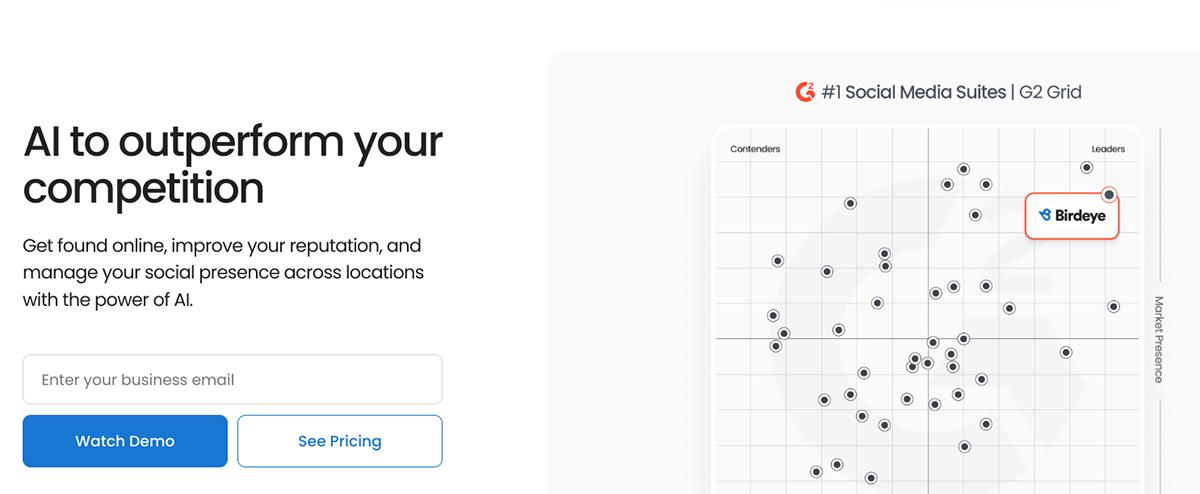
Birdeye is a customer experience platform that includes robust referral management features.
Key Features:
- Instant notifications for engaging referrals quickly.
- Over 1,000 integrations with CRM and other business tools.
- Comprehensive survey and feedback tools.
Best for:
Businesses of all sizes focused on customer experience.
Pricing:
Custom pricing (contact for details).
Free Trial:
Unavailable.

Referral Factory is designed to help businesses quickly set up and run referral programs without coding.
Key Features:
- Access to over 1,000 pre-built referral program templates.
- No need for tracking scripts, simplifying setup.
- Dashboard with real-time data monitoring.
Best for:
Businesses of all sizes looking for a fast setup.
Pricing:
Starting at $95/month.
Free Trial:
Yes.


Refersion is a referral marketing and affiliate management platform tailored for e-commerce brands.
Key Features:
- Easy integration with major e-commerce platforms.
- Flexible commission structures for affiliate management.
- Robust reporting and analytics for tracking sales and referrals.
Best for:
Medium to large e-commerce brands.
Pricing:
Starting at $99/month.
Free Trial:
Yes.


CrewFire is an ambassador and influencer marketing platform with strong referral features.
Key Features:
- Ambassador management with personalised referral links.
- Reward shop for ambassadors to redeem points.
- Social media amplification tools.
Best for:
Medium to large e-commerce brands.
Pricing:
Custom pricing (contact for details).
Free Trial:
Unavailable.


Ambassador is an all-in-one referral software that also handles affiliate, influencer, and partner programs.
Key Features:
- Multiple referral marketing options, including tiered rewards.
- Integration with leading CRMs and e-commerce platforms.
- Customisable campaigns with detailed tracking.
Best for:
Medium to large businesses and enterprises.
Pricing:
Starting at $250/month.
Free Trial:
Yes.

Revetize offers referral marketing alongside lead generation, customer communication, and reputation management.
Key Features:
- Automated referral and review generation.
- Multi-channel marketing tools.
- Centralised platform for managing referrals, reviews, and leads.
Best for:
Small to midsize businesses.
Pricing:
(Insert Revetize pricing Image)
Custom pricing (contact for details).
Free Trial:
Unavailable.


Yotpo is an e-commerce marketing platform offering advanced referral and loyalty program features.
Key Features:
- Tiered VIP programs to enhance customer retention.
- Extensive integrations with e-commerce and marketing tools.
- Customisable reward options and referral campaigns.
Best for:
E-commerce businesses of all sizes.
Pricing:
Starting at $199/month.
Free Trial:
Yes.


TapMango is a customer loyalty and referral platform designed for retail and restaurant businesses.
Key Features:
- Automated POS integration for seamless loyalty management.
- Branded mobile apps for customer engagement.
- Comprehensive marketing portal for managing promotions.
Best for:
Retail stores and restaurants.
Pricing:
Custom pricing (contact for details).
Free Trial:
Unavailable.


Talkable specialises in referral and loyalty programs with a focus on customer acquisition and fraud prevention.
Key Features:
- Fraud management algorithms to prevent referral abuse.
- Detailed segmentation and targeting for campaigns.
- Customisable reward and referral program templates.
Best for:
Businesses of all sizes, particularly in e-commerce.
Pricing:
Custom pricing (contact for details).
Free Trial:
Unavailable.

ReferralMagic is a referral software focused on SaaS companies, offering extensive customisation and integration options.
Key Features:
- Easy integration into existing SaaS platforms.
- Customisable referral campaigns and rewards.
- Automated tracking and management tools.
Best for:
SaaS businesses looking for a tailored solution.
Pricing:
Starting at $245/month.
Free Trial:
Yes.

HelloReferrals is a web-based referral tracking software ideal for small businesses.
Key Features:
- Centralised communication and referral tracking.
- Simple, easy-to-use interface.
- Affordable pricing for small businesses.
Best for:
Small businesses and startups.
Pricing:
Starting at $39/month.
Free Trial:
Yes.

Manufacturer and retailer referral programs that enable purchase validation, even when purchases occur across various sales channels, ensuring accuracy even several steps away from the end customer. A wide variety of rewards, including cashback, gift cards, and prize draws, are available.
Key Features:
- Centralised communication and referral tracking.
- Customisable solution, ideal for omnichannel referral programs, especially when products are sold through multiple retailers, resellers, and other sales channels.
- Multilingual platform, allowing referral programs to operate seamlessly across EMEA and North America.
- A variety of reward options, including cashback, gift cards, physical items, and prize draw rewards.
- Flexible pricing models to suit different business needs.
Best for:
Larger businesses, including retailers, manufacturers, and B2B loyalty programs.
Pricing:
£ variable pricing – contact us for further details.
Free Trial:
No.
How Opia’s Sales Promotions Enhance Referral Programs
While referral management software is key to running successful programs, integrating sales promotions can significantly amplify their impact. Opia offers a range of innovative sales promotion solutions, including Cashback Promotions, Referral & Rewards Programs, and Gift with Purchase strategies. By combining these with your referral software, you can drive even greater engagement and build more profitable customer relationships.
Ready to take your referral program to the next level? Discover how Opia’s sales promotion solutions can complement your referral strategy. Get in touch today.
FAQs
Q: What is the best referral software?
A: The best referral software depends on your business needs. For e-commerce, ReferralCandy is highly recommended, while Mention Me is great for enterprises looking for advanced analytics.
Q: How do I choose the right referral management software for my business?
A: Consider factors like ease of use, customization options, integration capabilities, scalability, and security when selecting referral management software.
Q: How do referral programs drive customer acquisition?
A: Referral programs leverage existing customers to bring in new leads, often resulting in higher conversion rates and lower acquisition costs compared to traditional marketing methods.
Q: Can referral management software integrate with my CRM?
A: Yes, most referral management software offers integrations with popular CRMs like Salesforce, HubSpot, and others.
Q: How can Opia’s sales promotions complement my referral program?
A: Opia’s sales promotions, such as Cashback Promotions and Referral & Rewards Programs, can enhance your referral strategy by increasing customer engagement and driving more conversions.

33 Best Customer Loyalty Software in 2026
In today’s competitive market, customer loyalty is essential. Loyalty programs have evolved into powerful tools for building long-term relationships. As we enter 2026, new software goes beyond points and rewards, enhancing engagement through personalisation and data insights.
This guide explores the top loyalty management software, covering features, pricing, and benefits. While these tools are crucial, remember that loyalty is more than just points. At Opia, we believe innovative sales promotions like Cashback Promotions, Referral & Rewards Programs, and Gift with Purchase — can elevate your customer engagement strategy, helping you build loyalty in ways that go beyond the conventional.
Table of Contents
- What is Customer Loyalty Software?
- Best Customer Loyalty Software by Business Needs
- Top Customer Loyalty Software Comparison
- The 33 Best Customer Loyalty Software In Detail
- Common Types of Customer Loyalty Software:
- Key Features Often Include:
- Why Loyalty Management is Essential
- Features of Using a Customer Loyalty Software
- Benefits of Using a Customer Loyalty Software
- When to Use a Customer Loyalty Software
- How to Choose a Customer Loyalty Platform
- Supercharge Your Loyalty Programs with Opia's Sales Promotion Solutions
- FAQs
What is Customer Loyalty Software?
Customer loyalty software is a digital tool designed to help businesses create, manage, and optimise their loyalty programs. These platforms allow companies to track customer interactions, manage reward systems, and analyse the effectiveness of their loyalty strategies. By automating many of these processes, loyalty software makes it easier for businesses to engage customers and encourage repeat business.
Best Customer Loyalty Software by Business Needs
Below is a quick guide to help you identify the best loyalty software based on different business requirements:
Best for Small E-commerce Businesses
- Smile.io: Offers a user-friendly platform tailored for small e-commerce businesses, focusing on points, VIP features, and referrals.
Best for Large Enterprises
- Oracle CrowdTwist: Designed for large enterprises, offering advanced multi-channel loyalty management and deep integration capabilities.
Best for Highly Customisable Programs
- Open Loyalty: An open-source platform that allows businesses to create highly customisable loyalty programs with flexible options.
Best for Mobile Engagement
- iVision Mobile: Specialises in SMS marketing and mobile engagement, making it ideal for businesses prioritising mobile-based loyalty programs.
Best for Businesses with Complex Loyalty Needs
- Talon.One: Provides solutions for businesses with complex loyalty requirements, including geofencing, digital wallets, and advanced segmentation.
Best for Omnichannel Retailers
- Marsello: Combines loyalty with marketing automation, perfect for businesses operating across multiple channels.
Best for Gifting-Based Loyalty
- Alyce: Focuses on personalised gifting to drive customer loyalty, ideal for businesses looking to strengthen relationships through thoughtful rewards.
Best for Secure and Flexible Loyalty Programs
- Cheetah Digital: Offers industry-leading security and flexible tiered loyalty programs, perfect for enterprises needing robust and secure solutions.
Looking for more ways to enhance your customer loyalty strategy? Check out our insights on Sales Promotion.
Top Customer Loyalty Software Comparison
If you’re looking for a quick comparison of the top customer loyalty software to build and maintain long-term relationships with your customers, this section has you covered. Below, you’ll find a concise table summarising the essential details—starting price, free trial availability, and key features—for each platform.
Use this table to quickly assess which software aligns with your business:
| Software | Starting Price | Free Trial | Card Required | Key Features |
| Yotpo | Free | No | Yes | Omnichannel capabilities, AI & automation, customer segmentation, rewards sticky bar |
| Zendesk | $55 | 14 days | Yes | Customer satisfaction surveys, self-service, customer segmentation, omnichannel |
| Kangaroo | $59 | 30 days | Yes | Point rewards, partner integrations, customer segmentation |
| Runa | Contact for pricing | No | Yes | Multiple payout types, API integration, customisable rewards |
| LoyaltyLion | $399+ | 14 days | Yes | Customization options, customer points, email/SMS integrations |
| Smile.io | Free | No | Yes | Points programs, VIP features, referral programs |
| Talon.One | Contact for pricing | No | Yes | Geofencing, digital wallets, customer referrals |
| Fivestars | Contact for pricing | 30 days | Yes | Integration with POS, autopilot campaigns, customer segmentation |
| Alyce | Contact for pricing | No | Yes | Personalised gifting, CRM integration, branded items |
| BHN Rewards | On-demand, Contact for pricing | No | Yes | Digital e-gift cards, prepaid virtual Visas, CRM integration |
| Open Loyalty | Contact for pricing | No | Yes | Open-source, highly customisable, gamification |
| Xoxoday Plum | Contact for pricing | Yes | Yes | Rewards scheduler, anonymous rewarding, no-code API |
| Loyalzoo | $47 | 7 days | Yes | Digital loyalty programs, push notifications, POS integration |
| Giftbit | Contact for pricing | No | Yes | Digital gift cards, bulk sending, team accounts |
| Marsello | $125 | 14 days | Yes | Points programs, tiered rewards, email/SMS campaigns |
| Zinrelo | Contact for pricing | No | Yes | Multi-dimensional loyalty, customisable messaging, role-based access |
| iVision Mobile | $59 | No | Yes | SMS/MMS capabilities, two-way messaging, POS connectability |
| PassKit | Contact for pricing | 45 days | No | Digital loyalty cards, mobile wallet integration, real-time updates |
| Loopy Loyalty | Free | Yes | No | Digital stamp cards, mobile wallet integration, remote reward issuing |
| Airship | Contact for pricing | No | Yes | Advanced notifications, mobile wallet integration, small group trials |
| Vibes Media | Contact for pricing | No | Yes | Personalised mobile messaging, behaviour analysis, robust analytics |
| FOBI | Contact for pricing | No | Yes | Real-time data analytics, personalised promotions, digital loyalty pass |
| LoyaltyXpert | Contact for pricing | No | Yes | Customisable reward structures, multi-channel support, detailed analytics |
| Antavo | Contact for pricing | No | Yes | Emotional loyalty, gamification, personalised rewards |
| Capillary Loyalty | Contact for pricing | No | Yes | AI-driven insights, real-time analytics, omnichannel support |
| Annex Cloud | Contact for pricing | No | Yes | Referral marketing, social media integration, customisable loyalty programs |
| Oracle CrowdTwist | Contact for pricing | No | Yes | Cross-channel capabilities, household accounts, gamification |
| Comarch Loyalty | Contact for pricing | No | Yes | AI-based personalization, location-based services, custom mobile apps |
| Arvato Loyalty Management | Contact for pricing | No | Yes | CRM integration, custom loyalty program development, full-service support |
| SessionM (Mastercard) | Contact for pricing | No | Yes | ROI measurement, Salesforce integration, comprehensive data management |
| Epsilon PeopleCloud | Contact for pricing | No | Yes | Core ID Technology, loyalty essentials, strategic consultation |
| Kobie Loyalty Cloud | Contact for pricing | No | Yes | Creative capabilities, AI-driven insights, cloud-based architecture |
| Fielo (Salesforce) | $2.5 per user | No | Yes | Quickstart incentive programs, Salesforce-native architecture, extensive customization |
| Cheetah Digital | Contact for pricing | No | Yes | Flexible tiers, real-time program monitoring, industry-leading security |
| Emarsys | Contact for pricing | No | Yes | Real-time personalization, complete data ownership, SAP integration |
| White Label Loyalty | Contact for pricing | No | Yes | Event-based platform, receipt scanning, AI-driven insights |
| Voucherify | $179 | 30 days | Yes | API-first, customisable loyalty programs, powerful CRM capabilities |
| Opia | Contact for pricing | No | No | Sales Promotions, SPIFF programs, Loyalty, Manufacture Sales Promotions, Redemption Programs, White Label Promotions |
The 33 Best Customer Loyalty Software In Detail
Below, we dive deeper into each of the best customer loyalty software options and how they can support your business’s loyalty strategies:
Yotpo
Yotpo specialises in helping e-commerce businesses drive customer retention and growth through powerful loyalty and referral programs. Known for its robust integrations and user-friendly interface, Yotpo is ideal for businesses looking to enhance customer engagement with minimal setup.
Key Features:
- Omnichannel capabilities
- AI and automation
- Open and flexible platform
- Analytics and dashboards
- Customer segmentation
- Referral program
- Dedicated rewards
- Rewards sticky bar
Best for:
E-commerce businesses aiming to maximise customer retention.
Pricing:
- Free: $0 per month (limited features)
- Gold: Starts at $199 per month
- Platinum: Contact Yotpo
Free Trial:
Unavailable
Card Required:
Yes


Zendesk
Zendesk is well-known for its customer service solutions, but it also offers powerful loyalty management tools. This software is perfect for businesses looking to enhance customer support while simultaneously managing loyalty programs through a single platform.
Key Features:
- Omnichannel capabilities
- AI and automation
- Open and flexible platform
- Analytics and dashboards
- Customer satisfaction surveys
- Customer segmentation
- Self-service capabilities
- Customer chat and messaging
Best for:
Businesses that prioritise customer service and want to integrate loyalty management seamlessly.
Pricing:
- Suite Team: $55 per agent/month
- Suite Growth: $89 per agent/month
- Suite Professional: $115 per agent/month
- Suite Enterprise: Contact Zendesk for pricing
Free Trial:
14 days
Card Required:
Yes


Kangaroo
Kangaroo is a versatile customer loyalty platform designed to help small businesses build and manage long-term customer relationships. With customisable reward programs and robust analytics, Kangaroo is well-suited for businesses looking to increase customer engagement and retention.
Key Features:
- Omnichannel capabilities
- Open and flexible platform
- Analytics and dashboards
- Customer satisfaction surveys
- Customer segmentation
- Point rewards
- Partner integrations
Best for:
Small businesses looking for customisable loyalty solutions.
Pricing:
- Loyalty Essentials: $59 per month
- Engagement Package: $99 per month
- Ultimate: $199 per month
- Ultimate Plus: $299 per month
Free Trial:
30 days
Card Required:
Yes


Runa
Runa provides a comprehensive platform for creating and managing customer loyalty programs. With advanced customization options and support for multiple payout types, Runa is ideal for businesses seeking to offer flexible rewards and incentives.
Key Features:
- Omnichannel capabilities
- AI and automation
- Open and flexible platform
- Analytics and dashboards
- Customer segmentation
- Multiple payout types
- API integration
- Customizability
Best for:
Businesses looking for flexible and customisable loyalty programs with varied reward options.
Pricing:
- Core: Contact Runa for pricing
- Customised: Contact Runa for pricing
Free Trial:
Unavailable
Card Required:
Yes


LoyaltyLion
LoyaltyLion is a robust customer loyalty platform designed for e-commerce businesses. It offers a wide range of customization options, including points-and-rewards systems, in-cart rewards, and customer tiers, making it a powerful tool for growing customer loyalty.
Key Features:
- Omnichannel capabilities
- Open and flexible platform
- Analytics and dashboards
- Customer segmentation
- Loyalty program customization
- Customer points
- Email marketing integrations
- SMS integrations
Best for:
E-commerce businesses focused on growth and customer retention.
Pricing:
- Classic: Starts at $399 per month
- Advanced: Contact LoyaltyLion for pricing
- Plus: Contact LoyaltyLion for pricing
Free Trial:
14 days
Card Required:
Yes


Smile.io
Smile.io offers loyalty solutions tailored for small e-commerce businesses. With features like points, VIP tiers, and referrals, Smile.io helps businesses foster customer loyalty and increase repeat purchases with minimal complexity.
Key Features:
- Omnichannel capabilities
- Analytics and dashboards
- Points programs
- VIP features
- Referral programs
- Integrations
Best for:
Small e-commerce businesses looking for simple, effective loyalty programs.
Pricing:
- Free: $0 per month (limited features)
- Starter: $49 per month
- Growth: $199 per month
- Plus: $999 per month


Talon.One
Talon.One is a powerful platform that specialises in promotion campaigns and loyalty programs. Leveraging customer data, Talon.One helps businesses create automated incentive campaigns and personalised offers, making it ideal for companies with complex loyalty needs.
Key Features:
- Omnichannel capabilities
- Open and flexible platform
- Analytics and dashboards
- Customer segmentation
- Geofencing
- Digital wallets
- Customer referrals
- Win-back programs
Best for:
Businesses with complex loyalty program needs and advanced customer segmentation.
Pricing:
- Contact Talon.One for pricing details.
Free Trial:
Unavailable
Card Required:
Yes

Fivestars
Fivestars is a popular choice for small businesses, offering a loyalty platform that integrates marketing automation with point-of-sale systems. This software helps businesses create personalised rewards and promotions to enhance customer retention.
Key Features:
- Omnichannel capabilities
- AI and automation
- Open and flexible platform
- Analytics and dashboards
- Customer satisfaction surveys
- Customer segmentation
- Customer database
- Autopilot campaigns
Best for:
Small businesses that want to integrate loyalty programs directly with their point-of-sale systems.
Pricing:
- Essentials: Contact Fivestars for pricing
- Pro: Contact Fivestars for pricing
Free Trial:
30 days
Card Required:
Yes

Alyce
Alyce is a unique loyalty platform that focuses on personalised gifting as a way to build customer loyalty. By integrating with CRM systems, Alyce allows businesses to manage and track gifting campaigns that resonate with their customers’ interests.
Key Features:
- AI and automation
- Open and flexible platform
- Analytics and dashboards
- Personal interest research
- Gift recommendations
- Personalised invites
- Branded items
Best for:
Businesses that want to build loyalty through personalised and meaningful gifts.
Pricing:
- Contact Alyce for pricing
Free Trial:
Unavailable
Card Required:
Yes

BHN Rewards
BHN Rewards specialises in digital e-gift cards and prepaid virtual Visas, making it a strong choice for businesses that focus on digital incentives and rewards. The platform integrates with CRM systems to streamline customer loyalty and acquisition campaigns.
Key Features:
- Omnichannel capabilities
- Open and flexible platform
- Analytics and dashboards
- Customer satisfaction surveys
- Multilingual capabilities
- Employee workspaces
- Custom data access
Best for:
Businesses that want to manage digital rewards and incentives for both customers and employees.
Pricing:
- On-Demand: Pay as you go
- Annual Subscription: Contact BHN Rewards for pricing
Free Trial:
Unavailable
Card Required:
Yes

Open Loyalty
Open Loyalty is an open-source platform designed for creating highly customisable loyalty programs. Its flexibility makes it suitable for businesses that need a tailored approach to customer engagement and loyalty.
Key Features:
- Omnichannel capabilities
- AI and automation
- Open and flexible platform
- Analytics and dashboards
- Customer segmentation
- Gamification
- Digital wallets
Best for:
Businesses require an open-source, highly customisable loyalty solution.
Pricing:
- Contact Open Loyalty for pricing
Free Trial:
Unavailable
Card Required:
Yes

Xoxoday Plum
Xoxoday Plum offers a global rewards management platform that enables businesses to create and manage a wide variety of customer loyalty and employee incentive programs. With extensive customization options, Xoxoday Plum is ideal for businesses with diverse reward needs.
Key Features:
- Omnichannel capabilities
- AI and automation
- Open and flexible platform
- Analytics and dashboards
- Customer segmentation
- Rewards scheduler
- Anonymous rewarding
- No-code API
Best for:
Businesses looking for a versatile and scalable rewards management platform.
Pricing:
- Contact Xoxoday for pricing
Free Trial:
Available
Card Required:
Yes
Loyalzoo
Loyalzoo offers a simple yet effective loyalty solution for small and medium-sized businesses, particularly those in the retail and food service industries. The platform provides digital loyalty programs that integrate seamlessly with point-of-sale systems.
Key Features:
- Omnichannel capabilities
- Analytics and dashboards
- Push notifications
- Blast marketing messages
- Built-in training for staff
Best for:
Retail and food service businesses looking to implement digital loyalty programs quickly.
Pricing:
- Digital Loyalty: $47 per store/month
Free Trial:
7 days
Card Required:
Yes
Giftbit
Giftbit is designed for businesses that want to distribute and track digital gift cards efficiently. The platform’s automation capabilities make it easy to set up reward campaigns and manage them through a centralised dashboard.
Key Features:
- Omnichannel capabilities
- AI and automation
- Open and flexible platform
- Analytics and dashboards
- Bulk sending
- Auto-funding
- Team accounts
Best for:
Businesses focused on digital gift card distribution and reward management.
Pricing:
- Contact Giftbit for pricing
Free Trial:
Unavailable
Card Required:
Yes

Marsello
Marsello offers a comprehensive loyalty platform that integrates seamlessly with both e-commerce and brick-and-mortar retail systems. It allows businesses to create and manage loyalty programs, email marketing campaigns, and SMS marketing from one unified platform.
Key Features:
- Omnichannel capabilities
- AI and automation
- Open and flexible platform
- Analytics and dashboards
- Customer segmentation
- Points programs
- Tiered customer rewards
- Email and SMS campaigns
Best for:
Omnichannel retailers looking to combine loyalty with marketing automation.
Pricing:
- Essential: $125 per month
- Professional: $135 per month
- Plus: Contact Marsello for pricing
Free Trial:
14 days
Card Required:
Yes


Zinrelo
Zinrelo is a loyalty platform designed to enhance customer engagement through multidimensional loyalty programs. It offers advanced analytics and AI-driven insights to help businesses maximise the effectiveness of their loyalty strategies.
Key Features:
- Omnichannel capabilities
- AI and automation
- Open and flexible platform
- Analytics and dashboards
- Customer segmentation
- Customer tiers
- Customisable messaging
- Role-based access
Best for:
Businesses looking to implement sophisticated, multi-dimensional loyalty programs.
Pricing:
- Contact Zinrelo for pricing
Free Trial:
Unavailable
Card Required:
Yes

iVision Mobile
iVision Mobile specialises in SMS marketing and digital loyalty solutions, making it ideal for businesses that rely on mobile engagement. The platform supports high-volume messaging and integrates easily with CRM systems for streamlined operations.
Key Features:
- Omnichannel capabilities
- Analytics and dashboards
- Customer segmentation
- SMS and MMS capabilities
- Business voice
- POS connectability
- Two-way messaging
Best for:
Businesses focused on mobile engagement and SMS marketing for loyalty.
Pricing:
- Limited: $59 per month (1,000 SMS per month)
- Basic: $99 per month (1,500 SMS per month)
- Standard: $139 per month (2,500 SMS per month)
- Additional plans available
Free Trial:
Unavailable
Card Required:
Yes


PassKit
PassKit provides a robust platform for creating and distributing digital loyalty cards, membership cards, and coupons. It integrates with Apple Wallet and Google Wallet, making it an excellent choice for businesses looking to modernise their loyalty programs.
Key Features:
- Customisable digital loyalty cards
- Diverse loyalty program types
- Personalised rewards
- Advanced customer segmentation
- Real-time updates and push notifications
- Integration with mobile wallets
- Gamified rewards and challenges
Best for:
Businesses that want to create modern, mobile-compatible loyalty programs.
Pricing:
- Contact PassKit for pricing
Free Trial:
45 days
Card Required:
No


Loopy Loyalty
Loopy Loyalty is a user-friendly platform that allows businesses to create digital stamp cards for customer retention. It’s particularly useful for small businesses looking to replace traditional paper loyalty cards with a digital alternative.
Key Features:
- Customisable digital stamp cards
- Mobile wallet integration
- Multichannel promotion
- Real-time data tracking
- Remote reward issuing
Best for:
Small businesses seeking a paperless solution for loyalty cards.
Pricing:
- Free: $0 per month (limited features)
- Paid plans: Start at $25 per month
Free Trial:
Available
Card Required:
No

Airship
Airship is a mobile-first customer engagement platform that allows businesses to optimise every stage of the mobile app lifecycle. Its loyalty features are designed to boost customer retention through personalised mobile experiences.
Key Features:
- Non-technical team management
- Small group trials before full rollout
- Advanced notifications for mobile wallets
- Integration with third-party solutions
Best for:
Businesses that prioritise mobile app engagement and loyalty.
Pricing:
- Contact Airship for pricing
Free Trial:
Unavailable
Card Required:
Yes

Vibes Media
Vibes Media focuses on enhancing customer loyalty through personalised mobile messaging. The platform is designed to deliver relevant, timely communications based on customer behaviours and preferences.
Key Features:
- Personalised mobile messaging
- Integration with mobile wallets
- Behaviour and sentiment analysis
- Robust analytics and reporting
- Seamless campaign management
Best for:
Businesses looking to engage customers through personalised mobile communications.
Pricing:
- Contact Vibes Media for pricing
Free Trial:
Unavailable
Card Required:
Yes

FOBI
FOBI offers a digital loyalty pass platform that helps businesses collect and analyse transactional data. The platform is designed for businesses looking to create personalised promotions and improve customer engagement.
Key Features:
- Real-time data analytics
- Personalised promotions
- Digital loyalty pass
- Customer engagement tools
Best for:
Businesses aiming to improve client loyalty through targeted promotions.
Pricing:
- Contact FOBI for pricing
Free Trial:
Unavailable
Card Required:
Yes

LoyaltyXpert
LoyaltyXpert provides a comprehensive loyalty solution for businesses of all sizes. With its customisable reward structures and detailed analytics, it’s perfect for companies looking to enhance customer engagement and retention.
Key Features:
- Customisable reward structures
- Detailed analytics and reporting
- Seamless integration with existing systems
- Multi-channel support
Best for:
Businesses seeking a full-featured loyalty program with extensive customization options.
Pricing:
- Contact LoyaltyXpert for pricing
Free Trial:
Unavailable
Card Required:
Yes

Antavo
Antavo specialises in loyalty programs for fashion and retail industries. Its focus on emotional loyalty and personalised customer experiences makes it a great choice for businesses looking to create deep connections with their customers.
Key Features:
- Gamification elements
- Emotional loyalty programs
- E-commerce platform integration
- Personalised rewards
Best for:
Fashion and retail businesses aim to strengthen emotional loyalty with customers.
Pricing:
- Contact Antavo for pricing
Free Trial:
Unavailable
Card Required:
Yes

Capillary Loyalty+
Capillary Loyalty+ leverages AI-driven insights to enhance customer engagement and retention. It offers real-time analytics and personalised rewards, making it ideal for businesses seeking to deliver consistent omnichannel experiences across all touchpoints.
Key Features:
- AI-driven personalization
- Real-time analytics
- Omnichannel support
- Seamless CRM integration
Best for:
Businesses that need a comprehensive loyalty solution with advanced analytics and omnichannel support.
Pricing:
- Contact Capillary for pricing
Free Trial:
Unavailable
Card Required:
Yes

Annex Cloud
Annex Cloud offers a robust loyalty and referral marketing platform with extensive customization options. It integrates well with social media and CRM systems, making it a strong choice for businesses looking to enhance customer engagement through various touchpoints.
Key Features:
- Customisable loyalty programs
- Referral marketing
- Social media integration
- Detailed analytics
Best for:
Businesses aiming to integrate loyalty programs with social media and referral marketing.
Pricing:
- Contact Annex Cloud for pricing
Free Trial:
Unavailable
Card Required:
Yes

Oracle CrowdTwist
Oracle CrowdTwist is a loyalty and engagement platform that offers advanced features for managing multi-channel loyalty programs. It’s designed for large enterprises looking to implement sophisticated loyalty strategies across various customer touchpoints.
Key Features:
- Cross-channel capabilities
- Household accounts
- Gamification
- AI-driven personalization
Best for:
Large enterprises seeking a comprehensive loyalty solution that integrates with existing Oracle systems.
Pricing:
- Contact Oracle for pricing
Free Trial:
Unavailable
Card Required:
Yes
Comarch Loyalty
Comarch Loyalty offers a flexible, cloud-based loyalty solution tailored to the needs of large enterprises. It provides advanced analytics and AI-driven insights to help businesses personalise rewards and enhance customer engagement.
Key Features:
- AI & ML-based personalization
- Location-based services
- Custom mobile app development
- Seamless CRM integration
Best for:
Large enterprises looking for a customisable loyalty solution with advanced features.
Pricing:
- Contact Comarch for pricing
Free Trial:
Unavailable
Card Required:
Yes

Arvato Loyalty Management
Arvato Loyalty Management provides a full-service loyalty solution tailored to the specific needs of large enterprises. It offers comprehensive CRM systems integration and a wide range of loyalty management features, making it ideal for businesses looking to implement a customised loyalty strategy.
Key Features:
- Ready CRM solutions
- Full-service support
- Custom loyalty program development
- Integrated marketing solutions
Best for:
Enterprises need a fully customised loyalty program with extensive support and integration options.
Pricing:
- Contact Arvato for pricing
Free Trial:
Unavailable
Card Required:
Yes

SessionM (Mastercard)
SessionM, a Mastercard company, offers a cloud-based platform for customer engagement and loyalty management. It’s particularly strong in data management, allowing businesses to create a 360-degree view of their customers to drive personalised loyalty programs.
Key Features:
- ROI measurement
- Salesforce integration
- Real-time APIs
- Comprehensive data management
Best for:
Businesses that require a strong data management solution to support personalised loyalty programs.
Pricing:
- Contact SessionM for pricing
Free Trial:
Unavailable
Card Required:
Yes

Epsilon PeopleCloud
Epsilon PeopleCloud is a comprehensive marketing platform that includes a loyalty module designed to help enterprises personalise customer journeys. Its advanced AI and machine learning capabilities make it ideal for businesses looking to deliver highly targeted loyalty programs.
Key Features:
- Core ID Technology
- Loyalty essentials
- Strategic consultation
- Personalised customer journeys
Best for:
Enterprises looking for a complete marketing solution that includes advanced loyalty management.
Pricing:
- Contact Epsilon for pricing
Free Trial:
Unavailable
Card Required:
Yes
Kobie Loyalty Cloud
Kobie Loyalty Cloud is a global loyalty marketing platform that focuses on delivering end-to-end loyalty solutions. With its AI-driven insights and cloud-based architecture, Kobie offers a scalable solution for businesses looking to implement comprehensive loyalty programs.
Key Features:
- Creative capabilities
- AI & machine learning
- Cloud-based architecture
- Customisable loyalty logic
Best for:
Businesses seeking a full-service loyalty platform with advanced AI-driven capabilities.
Pricing:
- Contact Kobie for pricing
Free Trial:
Unavailable
Card Required:
Yes

Fielo (Salesforce)
Fielo, built on Salesforce, offers a powerful loyalty and incentive automation platform that caters to both B2B and B2C businesses. It integrates seamlessly with Salesforce, making it ideal for businesses already using Salesforce as their CRM.
Key Features:
- API access
- Quickstart incentive programs
- Salesforce-native architecture
- Extensive customization options
Best for:
Businesses using Salesforce that need a seamless, integrated loyalty and incentive solution.
Pricing:
- $2.5 USD per user per month
Free Trial:
Unavailable
Card Required:
Yes

Cheetah Digital Loyalty
Cheetah Digital offers a suite of engagement solutions with a focus on loyalty. Its loyalty module provides real-time program monitoring, flexible tier and milestone modelling, and robust data security, making it ideal for enterprises looking to enhance customer engagement.
Key Features:
- Industry-leading security
- Offer management module
- Flexible tiers and milestones
- Real-time program monitoring
Best for:
Enterprises require a secure, flexible loyalty platform with robust engagement tools.
Pricing:
- Contact Cheetah Digital for pricing
Free Trial:
Unavailable
Card Required:
Yes

Emarsys
Emarsys, part of SAP, is an omnichannel customer engagement platform that includes a loyalty module. It allows businesses to integrate loyalty strategies into every relevant communication channel, making it ideal for enterprises seeking a unified customer experience.
Key Features:
- Complete data ownership
- Actionable tactics
- SAP Commerce Cloud integration
- Real-time personalization
Best for:
Businesses looking to integrate loyalty programs with SAP systems for a unified customer experience.
Pricing:
- Contact Emarsys for pricing
Free Trial:
Unavailable
Card Required:
Yes

White Label Loyalty
White Label Loyalty offers a modular, event-based loyalty and marketing platform. Its AI-driven insights and progressive web and mobile apps make it an excellent choice for businesses looking to personalise loyalty programs based on customer behaviour.
Key Features:
- AI module
- Progressive web & mobile apps
- Receipt scanning technology
- Event-based platform
Best for:
Businesses seeking a modular loyalty solution with advanced personalization capabilities.
Pricing:
- Contact White Label Loyalty for pricing
Free Trial:
Unavailable
Card Required:
Yes


Voucherify
Voucherify is an API-first promotion and loyalty platform that offers extensive customization options. Its flexible data model and robust CRM capabilities make it ideal for businesses looking to build tailored loyalty programs with minimal upfront integration costs.
Key Features:
- All-in-one promotion engine
- Attractive pricing model
- Well-documented API
- Powerful CRM capabilities
Best for:
Businesses seeking a highly customisable loyalty platform with strong API support.
Pricing:
- $179 to $629 per month (based on API usage)
Free Trial:
30 days
Card Required:
Yes
Common Types of Customer Loyalty Software:
- Points-Based Systems: Customers earn points for purchases or specific actions, which they can redeem for rewards.
- Tiered Programs: Customers unlock higher rewards as they reach different spending or engagement levels.
- Referral Programs: Customers are incentivized to refer new clients, earning rewards for successful referrals.
Key Features Often Include:
- Omnichannel Support: Engage customers across multiple channels like in-store, online, and mobile.
- Customer Segmentation: Target specific customer groups based on behaviour, preferences, and demographics.
- Analytics and Reporting: Track and analyse customer interactions and program performance.
- Integration with Existing Systems: Seamlessly connect with CRM, POS, and other business tools.
Why Loyalty Management is Essential
In an era where customer expectations are higher than ever, businesses must go beyond simply acquiring customers—they must focus on retaining them. Effective loyalty management is key to achieving this goal, offering several benefits:
- Boost Customer Retention: Loyalty programs encourage repeat purchases, turning one-time buyers into long-term customers.
- Enhance Customer Experience: Personalised rewards and targeted offers make customers feel valued and appreciated.
- Gain Competitive Advantage: A strong loyalty program differentiates your brand, attracting high-value customers and keeping them engaged over time.
- Boost Lifetime Customer Value: Targeted loyalty messaging, tailored to your best customer segments, not only encourages repeat purchases but can also increase the average order size. This enhances the lifetime value (LTV) of a customer—a crucial metric that predicts the total profit a customer will generate over their relationship with your business.
As we move into 2025, it’s clear that the right loyalty management software, combined with creative sales promotion solutions from Opia, can help businesses build stronger, more lasting relationships with their customers.
Leveraging Sales Promotions to Build Loyalty
While the right loyalty software is crucial for managing programs, complementing it with strategic sales promotions can amplify your efforts. Sales promotions offer unique opportunities to gather valuable customer data and drive engagement, further enhancing your loyalty initiatives.
For manufacturers, especially those with complex sales channels involving resellers and retailers, capturing data on the end customer can be challenging. Running redemption-based sales promotions allows this valuable end-user data to be captured, creating a list that can be retargeted with loyalty offers.
Refer a Friend Mechanics
Many loyalty software platforms, such as Smile.io offer built-in features to easily implement and track refer-a-friend programs, making it easier to harness social proof and incentivise referrals. This approach works best when both the friend and the customer referring receive a reward.
Ensuring that both parties are rewarded not only incentivises referrals but also maintains the integrity of the recommendation.
Simple Loyalty Programs
Platforms like Loyalzoo excel at managing simple loyalty programs, automating processes like tracking customer progress and issuing rewards, ensuring that even straightforward initiatives are efficiently managed and highly effective.
Loyalty doesn’t need to be complex. Simple programs, like “Buy 10 and Get 1 Free,” have been shown to increase lifetime customer value significantly. We recommend automatic enrolment (with GDPR considerations) and a frictionless onboarding process to maximise participation. While loyalty programs can be sophisticated, even non-tiered programs can be effective and profitable. Using thresholds to gamify the experience, such as “Buy 10 and Get 1 Free,” leverages the human desire for completion, a concept known as “Pseudo-set framing.”
By combining the power of advanced loyalty software with strategic sales promotions, businesses can create a comprehensive loyalty strategy that drives sustained customer engagement and boosts overall revenue.
Features of Using a Customer Loyalty Software
Customer loyalty software offers a wealth of features that can significantly enhance your loyalty programs and customer engagement efforts.
Omnichannel Capabilities
These platforms ensure seamless customer experiences across various touch points—be it in-store, online, or via mobile.
Advanced Analytics
Track customer interactions, monitor the success of loyalty programs, and gain insights into customer behaviour to refine your strategies.
Customisable Rewards
Tailor your loyalty program to match your brand’s unique identity, offering personalised rewards that resonate with your customers.
Integration with Existing Systems
Most loyalty software seamlessly integrates with your current CRM, POS, and marketing tools, allowing for a cohesive and streamlined operation.
Benefits of Using a Customer Loyalty Software
The benefits of implementing a customer loyalty program extend beyond just managing points and rewards.
- Improved Customer Retention: A well-executed loyalty program encourages repeat purchases and long-term customer relationships.
- Enhanced Customer Engagement: Personalised offers and rewards keep customers engaged and returning for more.
- Increased Sales: By rewarding loyal customers, businesses can boost their sales and overall revenue.
- Data-Driven Decisions: Use the analytics provided by these platforms to make informed decisions that improve customer satisfaction and program effectiveness.
To understand the psychology behind customer loyalty, take a look at our piece on The Psychology Behind Sales Promotions.
When to Use a Customer Loyalty Software
Customer loyalty software is particularly valuable when:
-
- Your Business is Growing: As your customer base expands, loyalty software helps manage and scale your loyalty programs efficiently.
- You Want to Enhance Customer Experience: Use software to offer personalised rewards and seamless experiences across all customer touchpoints.
- You Need to Stand Out in a Competitive Market: A robust loyalty program can differentiate your brand and foster customer loyalty.
- You wish to use end user data captured from Sales Promotions: you wish to increase Lifetime Customer Value (LTV), perhaps you have created a large opt-in list from running Sales Promotions and you now want to motivate additional purchases within your customer segments.
How to Choose a Customer Loyalty Platform
When selecting the right loyalty platform for your business, consider the following:
- Ease of Use: The platform should be user-friendly for both your team and your customers.
- Customisation Options: Ensure the software allows you to tailor the loyalty program to your brand’s needs.
- Integration Capabilities: It should seamlessly integrate with your existing systems like CRM, POS, and e-commerce platforms.
- Scalability: Choose software that can grow with your business, accommodating more customers and expanding features as needed.
Supercharge Your Loyalty Programs with Opia’s Sales Promotion Solutions
While loyalty software is essential for managing rewards, innovative sales promotions truly engage customers. Opia offers a range of sales promotion solutions, including Cashback Promotions, Referral & Rewards Programs, and Gift with Purchase strategies to elevate your loyalty efforts.
Our White Label redemption programs are perfect for businesses selling through retailers or resellers, allowing seamless omnichannel offers. Build a list of engaged customers who can be retargeted with customised loyalty offers, whether through the same retailers or your D2C stores.
Ready to elevate your loyalty strategy? Discover how Opia’s sales promotion solutions, integrated with your existing loyalty software, can help you build deeper, more profitable customer relationships. Get in touch today!
In particular Opia’s White Label redemption based programs can be effective for businesses that are several steps away from the customer, such as manufactures that don’t sell their products direct, but sell via retailers and reseller channels. Opia’s promotional solutions allow offers to be communicated omnichannel, across multiple retailers, and can be used to build out list of engaged and opted in end customers that can then be retargeted with additional offers via loyalty programs. The loyalty offers can be customised to allow customers to benefit from purchasing at the same retailers as the original purchase, or via direct to consumer (DTC or D2C) stores.
FAQs
Q: What is customer loyalty software?
A: Customer loyalty software is a tool that helps businesses manage loyalty programs, track customer interactions, and offer rewards to encourage repeat business.
Q: Why is customer loyalty important?
A: Customer loyalty is crucial for business growth as it drives repeat purchases, increases customer retention, and fosters brand advocacy.
Q: How do I choose the right loyalty software for my business?
A: Consider factors like ease of use, customisation options, integration capabilities, and scalability when selecting loyalty software.
Q: Can Opia’s sales promotion solutions integrate with my existing loyalty software?
A: Yes, Opia’s solutions are designed to complement and enhance existing loyalty programs, providing additional ways to engage and reward your customers.

Guide to Seasonal Promotions: Maximise Sales & Loyalty
Seasonal promotions are a powerful tool for businesses looking to capitalise on key times of the year, offering opportunities to boost sales, engage customers, and enhance brand loyalty.
These promotions are strategically planned around specific dates or seasons, such as Christmas, Easter, Black Friday, or back-to-school periods. With the right approach, seasonal promotions can provide significant benefits, helping your business stand out in a competitive market.
What Are Seasonal Promotions?
Seasonal promotions are time-sensitive marketing campaigns that align with specific holidays, seasons, or events.
These promotions are designed to tap into the heightened consumer activity during these periods, encouraging purchases through limited-time offers, discounts, or special deals. Successful seasonal promotions require precise timing, strategic planning, and a deep understanding of consumer behaviour to maximise their impact.
To learn more about how promotions align with consumer behaviour, check out our blog on The Psychology Behind Sales Promotions and Consumer Behaviour.

Why Are Seasonal Promotions So Important?
Having understood what seasonal promotions entail, it’s crucial to explore why they hold such significant value for businesses.
These promotions are more than just timely offers; they are strategic tools designed to harness the increased consumer spending during key periods. By aligning your promotional efforts with these periods, you can maximise your sales potential and create a stronger connection with your customers
How Do Seasonal Promotions Work?
Seasonal promotions typically work by offering incentives that resonate with the themes or emotions of the season. For example, a Christmas promotion might focus on gifting, while a back-to-school campaign could highlight savings on educational supplies.
Brands and businesses often prepare months in advance, analysing market trends, forecasting demand, and planning logistics to ensure the promotion runs smoothly.
Popular Seasonal Campaigns
Understanding when and how to implement your seasonal promotions can make all the difference. Popular campaigns such as Easter offers, Back to School, Back to Uni, Black Friday, Cyber Monday, and Christmas sales leverage the surge in consumer spending, providing businesses with a prime opportunity to maximise sales.
Timing and Planning
Timing is everything in seasonal promotions. Begin planning your campaigns months in advance to align with consumer expectations and market trends. Whether you’re targeting back-to-school shoppers or holiday gift-givers, the success of your campaign hinges on its strategic timing.
Example: Lenovo’s Environmental Trade-In Campaign, developed by Opia, is a prime example of a seasonal promotion tied to Earth Day. By offering 20% cashback on selected laptops in exchange for old devices, Lenovo not only boosted sales but also reinforced its commitment to sustainability. Read the case study.

Benefits of Seasonal Promotions
Seasonal promotions offer numerous benefits that can drive long-term success for your business. Here’s a breakdown of the key advantages:
Increased Sales
By consistently implementing seasonal promotions, businesses can build a pattern of consumer expectations, encouraging regular engagement and driving steady revenue throughout the year. This not only boosts sales during specific periods but can also create a lasting impact on your annual financial performance.
Enhanced Customer Engagement
Seasonal promotions can enhance customer engagement by offering relevant and timely deals. For instance, a gift with purchase promotions could encourage higher spending by providing customers with a free item when they purchase a high-ticket product. This approach not only boosts sales but also reinforces customer loyalty.
Inventory Management
Seasonal promotions can help businesses manage their inventory effectively by clearing out old stock to make way for new products. This is particularly useful during end-of-season sales, where retailers can offer discounts on last season’s items.
Brand Loyalty
Offering seasonal promotions can enhance brand loyalty by rewarding your customers with special deals during important times of the year. This not only encourages repeat purchases but also fosters a stronger emotional connection with your brand.
Do Seasonal Promotions Have Disadvantages?
While seasonal promotions are highly effective, they do come with certain drawbacks. One potential downside is that customers may come to expect these promotions, making it difficult to maintain regular pricing throughout the year.
Additionally, businesses may feel pressured to run promotions during every major season, which can strain resources and reduce profit margins if not managed carefully. However, with thoughtful planning and a well-structured approach, the advantages of seasonal promotions can significantly outweigh these challenges, leading to both short-term gains and long-term business growth.
Learn more about effective promotion strategies in our Sales Promotion Planning: Step by Step Guide.
Key Considerations for Successful Seasonal Promotions
Running a successful seasonal promotion requires careful planning and strategic thinking. Consider the following key factors to ensure your promotion resonates with your target audience and aligns with your business goals:
Forecasting and Preparation
Effective seasonal promotions begin with early planning. Start by forecasting demand, securing inventory, and preparing your marketing materials.
For example, a retailer planning a Black Friday sale should ensure they have sufficient stock and a robust supply chain to handle the increased demand. This preparation allows you to respond to market dynamics and customer expectations efficiently.
Start planning your seasonal promotions well in advance. If you’re looking for expert assistance in forecasting demand and planning logistics, Opia’s tailored sales promotion solutions can provide the support you need to succeed.
Align with Brand and Season
Your promotion should reflect both your brand’s identity and the season’s theme. A campaign that resonates with the seasonal context feels more authentic and engaging.
For instance, a luxury brand could align a New Year’s promotion with themes of renewal and exclusivity, offering a limited-edition product that echoes the brand’s premium positioning.
Establish Clear Goals
Before launching your promotion, establish clear objectives. Whether you aim to increase sales, boost brand awareness, or clear out inventory, defined goals will guide your strategy and provide metrics for success.
For example, a tech company might aim to increase sales of an older model during the back-to-school season, setting a target for units sold or revenue generated.
Monitor Competitors
Keeping an eye on competitors is crucial. Understanding what others in your industry are offering can help you differentiate your own promotions.
For instance, if a competitor is offering a discount, you might choose to offer an added value like a free gift with purchase, giving customers a reason to choose your brand over others.

Should You Consider Using Seasonal Promotions?
Seasonal promotions can be a highly effective strategy, but they may not be suitable for every business or scenario. Understanding when and how to leverage these promotions is key to their success.
Let’s explore some situations where seasonal promotions could either benefit or challenge your business.
You should use seasonal promotions if:
- You have products or services that align with seasonal demand.
- You want to boost sales during peak shopping periods.
- You’re looking to clear out inventory before the new season.
- You want to strengthen customer loyalty with timely offers.
You should not consider seasonal promotions if:
- Your product demand is consistent throughout the year.
- Running frequent promotions would strain your resources.
- Your brand relies on premium pricing that doesn’t align with discounting strategies.
Considering running a seasonal promotion? Opia can help you design and execute a promotion that maximises impact while staying true to your brand’s values. Contact us to get started.

Best Practices for Seasonal Promotions
To maximise the effectiveness of your seasonal promotions, consider the following best practices. These strategies ensure that your efforts not only meet but exceed customer expectations, driving both engagement and sales:
Clearly Define Your Objectives
Know what you want to achieve with your promotion and design your strategy accordingly. This could mean increasing customer acquisition, boosting sales of a particular product, or clearing out old stock.
Segment Your Audience
Tailor your promotions to different customer segments to increase relevance and engagement. For example, offer exclusive early access to VIP customers or targeted discounts based on purchase history.
Choose the Right Channels
Use the marketing channels that best reach your target audience, whether that’s social media, email, or in-store displays. For example, a social media campaign might be ideal for a younger audience, while email promotions could better engage older, more established customers.
Leverage Data
Use past performance data to refine your promotion strategy and make informed decisions. For example, analysing previous seasonal campaigns can reveal which products were most popular, allowing you to focus your efforts on similar items this season.
Test and Adapt
Continuously monitor the success of your promotions and be ready to make adjustments as needed. For instance, if a flash sale isn’t performing as expected, you might adjust the pricing or offer additional incentives to boost engagement.
Ideas for Seasonal Promotions
Here are some creative ideas for seasonal promotions that can help your business stand out. These examples illustrate how you can implement these ideas effectively:
Holiday-Themed Contests
Engage your audience with a holiday-themed contest where customers can win a holiday package or a festive gift bundle.
For example, a travel company might run a Christmas contest offering a trip to a winter wonderland destination, encouraging customers to enter by sharing their own holiday travel stories on social media.
Limited-Time Discounts
Offer a limited-time discount on popular items to create urgency and encourage quick purchases. This is particularly effective during Black Friday or Cyber Monday.
For instance, an electronics retailer could offer 50% off on select gadgets for 24 hours, driving a surge in sales as customers rush to secure the deal before it ends.
Learn more about the effectiveness of cashback in our blog Cashback: What is it and how does it work?
H3: Gift with Purchase
Encourage higher spending by offering a free gift with purchase.
A great example is Samsung’s Watch Promotion, where customers received a free Galaxy Watch Active with the purchase of an S Series phone. This campaign, designed by Opia, successfully drove sales and increased brand engagement by showcasing the synergy between Samsung’s smartphones and wearable technology. Read the full case study here.
Seasonal Bundles
Create product bundles that align with the season.
For instance, a summer bundle might include outdoor gear, sunscreen, and beach accessories at a discounted rate. A sports retailer could bundle a yoga mat, water bottle, and fitness tracker for a “Summer Fitness” promotion, catering to customers looking to stay active during the warmer months.
Flash Sales
Run short-term flash sales to create excitement and urgency. These are especially effective during peak shopping days like Black Friday.
A fashion retailer, for example, might offer 70% off select items for just two hours, driving immediate purchases as customers scramble to take advantage of the steep discounts.
Trade-In Programs
Trade-in programs encourage customers to exchange their old products for a discount on new ones, effectively promoting sustainability while driving sales. As we’ve previously mentioned with Lenovo’s Environmental Trade-In Campaign, these initiatives can be highly impactful.
By offering cashback or discounts in exchange for older products, businesses can not only boost their sales but also highlight their commitment to environmental responsibility. Such programs ensure that traded-in devices are responsibly refurbished, reused, or recycled, minimising landfill impact.

Conclusion
Seasonal promotions are a strategic way to capitalise on key shopping periods throughout the year. By understanding the psychology behind consumer behaviour, planning ahead, and aligning your promotions with your brand and the season, you can create impactful campaigns that drive sales and build lasting customer loyalty.
A Bespoke Approach to Your Brand’s Requirements
Ready to elevate your seasonal promotions? Contact Opia today to explore how our tailored sales promotion solutions can help you maximise your impact during key seasons and beyond.
Q: How do seasonal promotions differ from regular promotions?
A: Seasonal promotions are time-sensitive campaigns aligned with holidays or special events, designed to tap into heightened consumer spending during these periods.
Q: How can I ensure my seasonal promotions stand out?
A: Ensure your promotions are aligned with your brand and the season, and consider offering unique incentives like exclusive gifts or early access to sales.
Q: When should I start planning a seasonal marketing campaign?
A: Plan at least 3-6 months in advance to allow time for demand forecasting, inventory securing, and marketing preparation.
Q: What are the most important seasonal campaigns for businesses?
A: Christmas, Easter, Valentine’s Day and back-to-school are key campaigns, but relevance depends on your brand and offerings.
Q: What channels should I use for seasonal promotions?
A: The best channels depend on your audience. Common options include social media, email marketing, and in-store promotions.
Q: How can Opia help my business run seasonal promotions?
A: Opia creates tailored promotions that align with your goals and resonate with your audience, ensuring maximum seasonal impact.
Q: How do seasonal promotions affect consumer behaviour?
A: Seasonal promotions influence purchasing by creating urgency, scarcity, and emotional connections tied to specific times of the year.
Q: What is an example of a seasonal campaign?
A: A Black Friday sale offering limited-time discounts on electronics is a typical seasonal campaign.

Guide to Customer Loyalty Programs
Customer loyalty programs are a powerful tool for keeping your customers engaged and fostering long-term relationships. In fact, 84% of consumers say they’re more likely to stick with a brand that offers a loyalty program. At Opia, we specialise in crafting customised loyalty strategies that help brands build enduring customer relationships
This guide explores the key benefits and challenges of loyalty programs, the various types available, and practical tips for creating a successful loyalty program.
Table of Contents
- Key Takeaways
- What Are Customer Loyalty Programs?
- How Do Customer Loyalty Programs Work?
- Benefits of Customer Loyalty Programs
- Common Customer Loyalty Programs
- How to Create a Customer Loyalty Program
- Key Considerations for Creating Your Customer Loyalty Program
- Tips for Building Successful Customer Loyalty Programs
- Conclusion
- Get in Touch
- FAQs
Key Takeaways
- Loyalty programs significantly boost customer retention and lifetime value, making them indispensable tools for sustainable business growth.
- Different loyalty programs cater to diverse customer needs, from points-based systems to mission-driven initiatives, enhancing brand engagement.
- Loyalty programs provide valuable data that can be used to tailor marketing strategies and improve customer experiences.
- While effective, loyalty programs require careful planning to avoid potential drawbacks, such as cost inefficiencies and customer disengagement.
What Are Customer Loyalty Programs?
Customer loyalty programs are structured promotion strategies designed to encourage customers to continue buying a company’s products or services. They offer incentives like discounts, rewards, or exclusive benefits to frequent customers, thereby fostering a sense of belonging and loyalty to the brand.
At Opia, our referral & rewards programs are an excellent example of how we help businesses build loyalty. These programs not only increase brand awareness but also drive significant sales through customer referrals, turning satisfied customers into brand advocates.
How Do Customer Loyalty Programs Work?
Customer loyalty programs operate through various mechanisms, each tailored to meet different business goals. Here’s a brief overview of how these programs generally work:
1. Enrollment
Customers sign up for the loyalty program, often through a simple online form or during a purchase. This initial step is crucial as it marks the beginning of their journey with the program.
2. Earning Rewards
Participants earn points or rewards through specific actions such as making purchases, referring friends, or engaging with the brand on social media. The more they interact, the more rewards they accumulate.
Our Instant Win Promotions offer a unique way to reward customer engagement instantly, keeping them excited and motivated.
3. Redemption
Once a certain threshold is reached, customers can redeem their points for rewards, discounts, or other benefits. This stage reinforces their connection to the brand by providing tangible value for their loyalty.
4. Tracking & Engagement
Customers can track their points or rewards through an online portal, app, or physical loyalty card, keeping them engaged and motivated to continue participating.
Benefits of Customer Loyalty Programs
Customer loyalty programs offer numerous benefits that can drive long-term success for your business. Here’s a breakdown of the key advantages:
1. Increased Customer Retention
Loyalty programs make customers feel valued, which increases their likelihood of repeat purchases and strengthens their attachment to your brand. According to Merkle’s 2024 Loyalty Report, consumer demand for these programs remains high, with participation in both paid and free options on the rise.
2. Enhanced Customer Lifetime Value
By consistently engaging customers with rewards, businesses can significantly boost the total revenue generated from each customer over time.
Did you know? Customers with an emotional relationship with a brand are shown to have a 306% higher lifetime value,highlighting the immense potential of well-crafted loyalty programs.
3. Attraction of New Customers
Well-designed loyalty programs can attract new customers who are drawn by the rewards and positive experiences shared by existing members. Read more about how referral programs can drive new customer acquisition.
4. Valuable Customer Insights
Loyalty programs provide deep insights into customer preferences and behaviours, which can be leveraged to refine marketing strategies and improve product offerings.
5. Focused Spending on Profitable Customers
By rewarding the most engaged customers, businesses can focus their resources more effectively, minimising spending on less profitable segments and improving ROI.
6. Increased Brand Advocacy
Loyal customers are more likely to become brand advocates, promoting your business through word-of-mouth, user-generated content, social media, and reviews. This advocacy not only enhances your brand’s visibility but also builds trust among potential new customers. Learn how to turn loyal customers into brand advocates with our solutions.


Common Customer Loyalty Programs
Customer loyalty programs come in various forms, each designed to appeal to different customer motivations and business goals. Here’s a breakdown of the most popular types:
Points Programs
In a points-based system, customers earn points for specific actions like purchases, social media engagement, or product reviews. These points can be redeemed for rewards such as discounts, freebies, or even charitable donations. Points programs are highly flexible and encourage ongoing interaction with your brand.
Tier-Based Programs
Tier-based programs reward customers based on their spending or engagement level, with higher tiers offering more exclusive benefits. This structure motivates customers to increase their activity to reach the next level, driving more frequent and higher-value purchases.
Mission-Based Programs
These programs align with a brand’s social or environmental mission, offering customers the chance to contribute to causes they care about. For example, a portion of every purchase might be donated to a charity, which can strengthen emotional bonds with the brand.
Spend-Based Programs
Spend-based programs reward customers directly according to how much they spend. The more they spend, the more they receive in rewards or discounts, making it particularly effective for businesses with higher-ticket items or services.
Subscription Programs
Subscription-based loyalty programs involve customers paying an upfront fee to access exclusive benefits, discounts, or services. This model fosters long-term loyalty and can provide a steady revenue stream, as seen with popular examples like Amazon Prime.
Referral Programs
Referral programs incentivise customers to bring in new business by offering rewards for successful referrals. This not only drives new customer acquisition but also strengthens loyalty among existing customers who act as brand ambassadors.
To understand how these loyalty programs fit into a broader strategy to boost sales and customer engagement, explore our in-depth blog on Sales Promotions Explained.
How to Create a Customer Loyalty Program
Creating an effective customer loyalty program involves several critical steps:
1. Craft a Memorable Name
Start with a name that captures attention and reflects the spirit of your program.
It should be distinctive, aligning with your brand’s identity while sparking curiosity and excitement among your customers.
2. Infuse Purpose Beyond Rewards
Elevate your loyalty program by aligning it with your brand’s core values.
This connection adds depth, making your program more than just a series of transactions—it becomes a reflection of your brand’s mission.
3. Reward Diverse Customer Actions
Expand your rewards beyond purchases.
Encourage broader engagement by recognising actions like social media interactions, referrals, and feedback, keeping customers engaged across multiple touchpoints. Implementing our buy & try promotions can further incentivise customers to interact with your brand, rewarding them for their actions and deepening their connection with your business.
4. Offer Tailored Rewards
Appeal to a wide range of customer preferences by offering diverse rewards.
From discounts and exclusive offers to contributions to charitable causes, ensure your program provides options that resonate with different customer motivations.
5. Communicate the Value of Points
Ensure customers clearly understand the value of the points they earn.
Transparency in how points translate into tangible rewards will enhance their participation and satisfaction with the program.
6. Maximise Enrollment Opportunities
Make joining your loyalty program effortless by embedding sign-up options throughout the customer journey.
Whether online, in-store, or through mobile apps, ensure customers can easily access and enrol in the program.
7. Leverage Strategic Partnerships
Enhance your program’s appeal by collaborating with complementary brands.
Co-branded rewards not only provide added value but also extend your program’s reach, attracting new audiences.
8. Incorporate Gamification Elements
Add a layer of excitement by integrating gamification into your program.
Levels, badges, and milestones can create a sense of achievement and keep customers motivated to engage more frequently.
Key Considerations for Creating Your Customer Loyalty Program
Creating a customer loyalty program requires thoughtful planning to ensure it resonates with your audience and supports your business goals. Here are the key factors to consider for a loyalty program that drives engagement and long-term value:
Understand Your Audience
Conduct an in-depth analysis of your customers to tailor a loyalty program that meets their needs and expectations. This involves leveraging data from purchase histories, surveys, and social media to ensure the program resonates with your key customer segments.
Select the Right Loyalty Model
Your loyalty program should reflect your brand’s identity and business goals. Choose a model that aligns with your objectives—whether it’s a points-based system, tiered rewards, or cashback program—and provides real value to your customers.
Set Clear, Achievable Goals
Define specific, measurable goals for your loyalty program, such as increasing customer retention or boosting average order value. These goals will help you track the program’s effectiveness and make data-driven adjustments.
For more on setting clear promotional objectives, check out our blog on Sales Promotion Planning: Step-by-Step Guide.
Keep It Simple
Ensure the program is easy for customers to understand and engage with. Simplicity in sign-up, point accumulation, and reward redemption will encourage broader participation and sustain interest over time.
Diversify Rewardable Actions
Go beyond purchases by recognising other valuable actions like social media engagement and referrals. This holistic approach fosters deeper connections with your brand.
Offer Valuable and Relevant Rewards
Provide rewards that are meaningful and attainable, ensuring they align with your customers’ desires and reinforce their connection to your brand.
Communicate Consistently
Use preferred channels like email, social media, and apps to keep customers informed about rewards and special promotions. Consistent communication keeps your program top-of-mind and encourages ongoing participation.
Focus on Long-Term Value
Regularly assess and refine your program to ensure it continues to deliver value to your customers and your business. This long-term approach helps build a strong, engaged customer base.
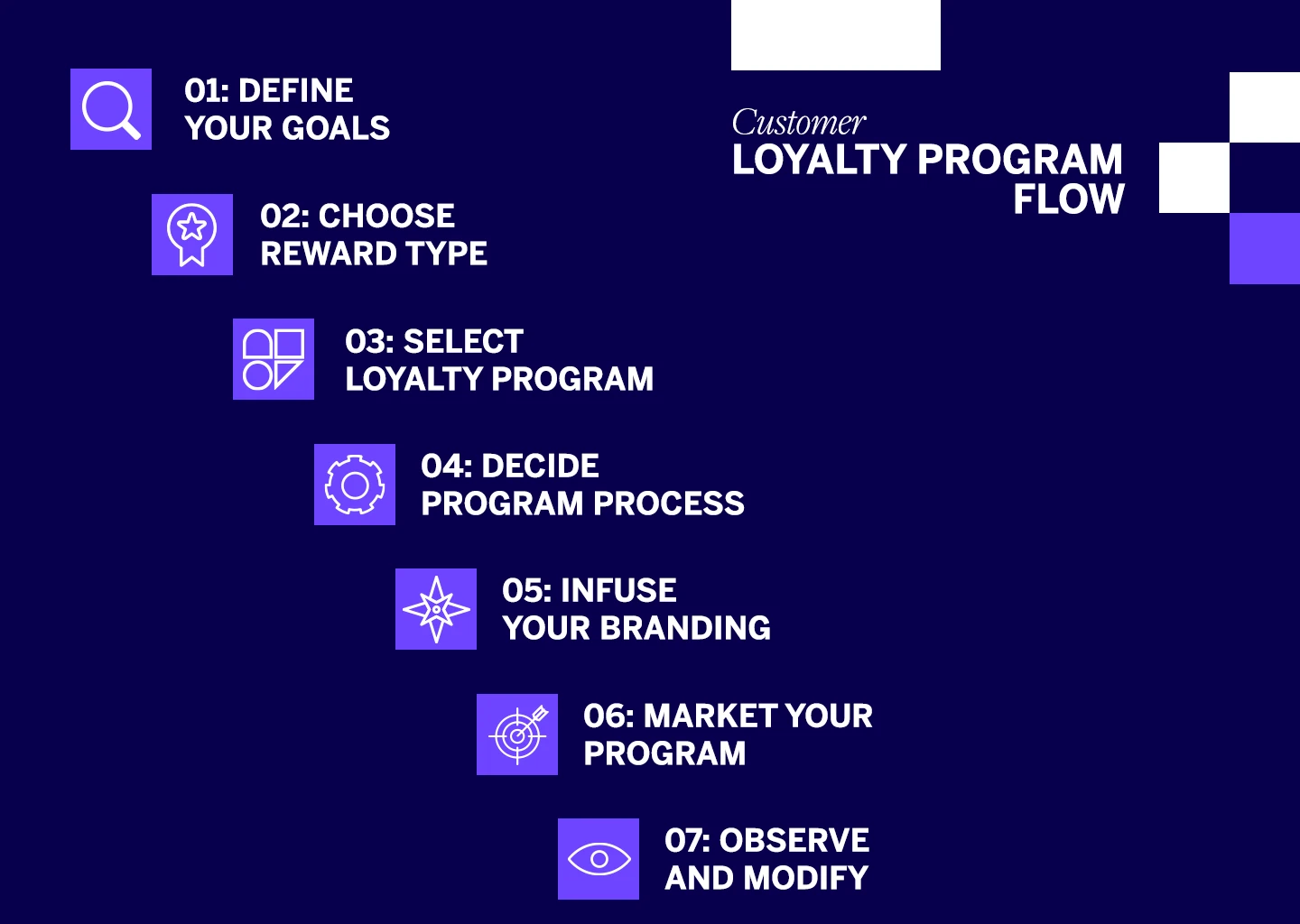
Tips for Building Successful Customer Loyalty Programs
Implementing and managing a loyalty program effectively requires strategic execution. Here are actionable tips to help you design a program that attracts and retains loyal customers:
- Establish Your Goals: Clearly define what you want to achieve with your loyalty program, whether it’s increasing referrals, boosting customer retention, or growing revenue.
- Understand Your Audience: Tailor your program to your customers’ needs by offering rewards that they value most, ensuring the program resonates with their preferences.
- Choose the Right Program Type: Select a loyalty program model that aligns with your business objectives and appeals to your customer base, whether it’s a points system, tiered rewards, or a subscription model.
- Market Your Program: Promote your loyalty program through various channels like email, social media, and in-store signage to attract participants and build engagement.
- Review Performance: Regularly monitor the program’s performance and make adjustments based on customer feedback and data to ensure it remains effective and relevant.
Conclusion
Customer loyalty programs are powerful tools that can significantly enhance customer retention, increase lifetime value, and drive brand advocacy. However, they require careful planning and ongoing management to be effective.
By understanding your customers, selecting the right program type, and continuously refining your approach, you can build a loyalty program that delivers long-term value for both your business and your customers.
Get in Touch
Ready to design a loyalty program that delivers measurable results? Contact Opia today to discover how our tailored sales promotion solutions can help you build lasting customer relationships and achieve your business goals.
FAQs
Q: What are customer loyalty programs for?
A: They are designed to encourage repeat purchases and build long-term relationships with customers.
Q: Do customer loyalty programs really work?
A: Yes, when well-designed, they can significantly increase customer retention and revenue.
Q: How do I know if my business needs a customer loyalty program?
A: If your goal is to enhance customer engagement and drive repeat business, a loyalty program could be beneficial.
Q: What are some potential cons of customer loyalty programs?
A: Potential drawbacks include high costs, management complexity, and the risk of customer disengagement if not executed well.
Q: When should I build a loyalty program for my business?
A: Consider launching a loyalty program when you have a stable customer base and are ready to invest in long-term customer relationships.
Q: How much does it cost to launch a loyalty program?
A: Costs vary depending on the program’s complexity, but it’s important to balance the investment with the expected ROI.
Q: What is the best type of loyalty program?
A: The best program is one that aligns with your business goals and resonates with your customers’ values.
Q: How can Opia help my business launch a successful loyalty program?
A: Opia designs tailored loyalty programs that boost customer engagement and retention. Contact us to get started.

White Label Cashback Platform: Rapid Rewards: Revolutionising Promotions for Manufacturers and Retailers
In the fast-paced world of retail and consumer electronics, staying ahead of the competition requires innovative and agile promotional strategies. Traditional discounts can erode profit margins and create a race to the bottom. That’s where Opia’s Rapid Rewards platform comes in, built on Opia Cloud.
Our platform revolutionises cashback promotions, offering faster deployment, delivery, and lower costs. With our White Label Cashback platform, clients save money on discounting, update pricing swiftly, clear excess stock, react to price changes, and reduce Manufacturer Sell Out Allowance (SOA) costs.
The Power of Cashback Promotions
Cashback promotions are a proven way to drive sales, boost customer loyalty, and gain valuable insights. They offer a more nuanced approach than discounts, benefiting both consumers and brands. By rewarding customers with cashback on their purchases, you can:
- Increase Sales: Cashback incentivises purchases and encourages customers to choose your products over competitors.
- Enhance Brand Loyalty: Customers who receive cashback are more likely to become repeat buyers and brand advocates.
- Gather Valuable Data: Cashback programs allow you to collect valuable customer data, such as purchase history and preferences, which can be used to refine your marketing strategies.
- Differentiate Your Brand: Cashback promotions help your brand stand out in a crowded market and create a unique value proposition.

Introducing Opia’s Rapid Rewards Platform
Opia’s Rapid Rewards platform is a game-changer for cashback promotions. It offers a streamlined, templated approach that allows you to launch campaigns quickly and easily without sacrificing customisation or effectiveness. Built on 17 years of experience running sales promotions globally, our Opia Cloud Software integrates with a large network of delivery partners to make it quick and easy to go live.
Key Features of Rapid Rewards:
- Pre-Developed Templates: Choose from a variety of pre-designed templates for different types of cashback promotions, saving you time and resources.
- Customisable Branding: Tailor the look and feel of your campaign to match your brand identity.
- Flexible Mechanics: Choose from a range of cashback mechanics, including fixed amounts, percentages, tiered rewards, and more.
- Seamless Integration: Easily integrate the cashback campaign with your existing e-commerce or retail systems. Simply inform customers about the cashback offer and share the redemption website details. We manage the claim, validation, and payment process.
- Multiple Payment Options: We can pay via bank transfer in multiple currencies and offer digital and physical prepaid cards in Dollars, Euros, and GBP.
- Comprehensive Reporting: Track campaign performance with detailed analytics and reporting.
8 Types of Cashback Promotions to Drive Sales and Engagement
Opia’s Rapid Rewards platform supports a wide range of cashback promotions, including:
- Money Off Product/Service Cashback: Offer a fixed amount or percentage back on a specific product or service.
- Taxback Cashback: Cover the sales tax for your customers, increasing their purchasing power.
- Buy More, Save More Cashback: Reward customers with tiered cashback based on their total spending.
- Bundle Savings Cashback: Encourage customers to buy combinations of products for greater rewards.
- Mix & Match Savings Cashback: Offer rewards for each additional product added to the basket.
- Buy One, Get One (BOGO) Cashback: Incentivise purchases by offering a free or discounted second item.
- Free or Discounted Add-On Cashback: Encourage the purchase of complementary products or services, driving sales of higher-margin products and accessories.
- Go Premium, Save More Cashback: Offer higher cashback rewards for premium product purchases, encouraging upselling.
For a deeper understanding, explore our blog, “Cashback Promotions: What Are They and How Do They Work?” to see how these strategies can effectively drive sales and customer engagement.

Why Choose Opia?
Opia is a trusted partner with over 17 years of experience in the sales promotion industry. We’ve handled over 6 million claims, distributed over £600m in rewards, and delivered over 1500 sales promotions for some of the world’s most successful companies. Our expertise ensures that your cashback promotions are efficient, effective, and aligned with your business goals.
Conclusion
Opia’s Rapid Rewards platform is the future of cashback promotions. It’s fast, flexible, and affordable, making it the perfect solution for consumer electronics manufacturers and retailers looking to drive sales, boost customer loyalty, and gain a competitive edge.
Get in Touch
Ready to revolutionise your promotional strategy with Rapid Rewards? Contact Opia today to learn more and schedule a demo.
Download Our Full Guide
For a more detailed insight into how cashback promotions can benefit your brand, download our all-you-need-to-know guide to sales promotions. It covers everything from planning and execution to measuring success, providing you with all the information you need to run successful promotional campaigns.

What is Sustainable Marketing and How Should You Use It?
With the increasing demand for eco-friendly products and ethical business practices, sustainable marketing has become essential for companies looking to stand out. Sustainable marketing not only benefits the planet but also enhances brand reputation and customer loyalty.
Studies have shown that 38% of consumers are willing to pay more for sustainable items. By incorporating sustainable marketing strategies, businesses can meet consumer expectations and achieve their commercial goals.
Table of Contents
Key Takeaways
- Sustainable marketing integrates environmental and social responsibility into marketing strategies.
- It builds trust and loyalty, differentiates your brand, and attracts eco-conscious customers.
- Effective strategies include setting long-term goals, consistent messaging, and full business integration.
What is Sustainable Marketing?
Sustainable marketing promotes environmentally and socially responsible products, practices, and brand values. It goes beyond traditional marketing by focusing on long-term impacts on the planet and society. Sustainable marketing aims to create a positive impact while maintaining profitability and customer satisfaction.
Examples of Sustainable Marketing
Integrating sustainable practices into your marketing strategy can be both impactful and profitable. Here are some examples:
- Promoting Eco-Friendly Products
- Partnering with Environmental Charities
- Transparency in Supply Chains
- Third-Party Certifications
- Community Investments
Promoting Eco-Friendly Products
Highlighting eco-friendly products can attract environmentally conscious consumers. For instance, companies can emphasize the use of sustainable materials, reduced carbon footprints, or recyclable packaging in their marketing campaigns. This not only showcases a commitment to sustainability but also differentiates the brand from competitors.
Partnering with Environmental Charities
Collaborating with environmental charities can enhance your brand’s reputation and impact. For example, partnering with Tree-Nation to plant trees for every product sold can demonstrate a tangible commitment to sustainability. This not only helps the environment but also engages customers who are passionate about conservation.
Transparency in Supply Chains
Providing clear and transparent information about your supply chains builds trust with consumers.
Well-known Outdoor and Sports brands have set examples by sharing detailed information about their manufacturing processes and working conditions. This transparency reassures customers about the ethical practices behind the products they purchase.
Third-Party Certifications
Obtaining third-party certifications like B Corp can validate your sustainability efforts. These certifications signal to consumers that your company meets high standards of social and environmental performance. For example, 92% of consumers trust brands that are socially responsible or eco-friendly, making certifications a powerful tool for building credibility.
Community Investments
Investing in community projects can strengthen your brand’s relationship with local audiences. Initiatives like sponsoring local environmental cleanups or supporting community gardens show that your company cares about its impact on the community. Such investments can also foster customer loyalty and positive word-of-mouth.
Benefits of Sustainable Marketing
Implementing sustainable marketing strategies offers numerous benefits for your business:
- Enhanced Brand Reputation: Demonstrating a commitment to sustainability can improve your brand image and attract positive attention.
- Increased Customer Loyalty: Consumers are more likely to remain loyal to brands that align with their values. According to Forbes, 88% of consumers are more likely to be loyal to a company that supports social and environmental causes.
- Higher Sales: Sustainable marketing can boost sales.
- Competitive Advantage: Sustainable marketing can differentiate your brand from competitors. Research by Accenture shows that companies with high ESG performance enjoy average operating margins that are 3.7 times higher than those of lower ESG performers.
- Regulatory Compliance: Adopting sustainable practices ensures compliance with environmental regulations, reducing the risk of legal issues.
Key Considerations for a Successful Sustainable Marketing Strategy
When developing a sustainable marketing strategy, consider the following key elements:
- Long-Term Planning
- Consistency with Commitment
- Integration into the Business
Long-Term Planning
Sustainable marketing requires a long-term vision. Set goals that will have a significant impact over time, such as reducing waste or becoming carbon neutral. This shows a serious commitment to sustainability. For example, a company might aim to be fully sustainable by 2030, demonstrating a dedication to long-term environmental goals.
Consistency with Commitment
Be consistent in your sustainability efforts and communication. For instance, if you introduce eco-friendly packaging, ensure that all product lines follow suit. Consistency helps build trust and credibility with your audience. This approach reassures customers that your commitment to sustainability is genuine.
Integration into the Business
Sustainability should be embedded in your business model. This means integrating eco-friendly practices into every aspect of your operations, from sourcing materials to product development.
This holistic approach ensures that sustainability is not just a marketing tactic but a core value of your business. By making sustainability a core part of your business, you can attract customers who prioritize eco-friendly and socially responsible brands.
Ways to Include Sustainability in Your Next Sales Promotion
Opia is a leader in delivering unique, market-disruptive promotions that offer long-lasting value. We have distributed over £500 million in rewards and use data-driven insights to build sustainability into promotional campaigns.
Go Carbon-Neutral with Production
Brands can use a Gift with Purchase promotions to offset carbon costs from manufacturing and distribution, such as planting trees for every device purchased. This commitment to reducing carbon emissions demonstrates a strong environmental stance.
Use Recycling for an Eco-Friendly Message
Research shows that 46% of consumers want more clarity on recycling old products. By implementing promotions that facilitate ethical recycling and reuse, brands can help consumers make responsible decisions at the end of a product’s lifecycle.
Go Paper- and Plastic-Free in Campaigns
With the US printing billions of coupons and plastic gift cards annually, shifting to digital e-rewards and apps can significantly reduce environmental impact and align with consumer expectations for sustainable practices.
Support the Circular Economy
The circular economy focuses on refurbishing old or unwanted goods instead of discarding them. This approach can cut global carbon emissions by 39% and reduce pressure on resources by 28%, demonstrating a strong commitment to sustainability.
Case Studies: Sustainable Sales Promotions
To illustrate the effectiveness of sustainable marketing, let’s look at a couple of case studies where Opia has helped brands achieve their commercial and environmental goals through innovative sales promotions.
Case Study: Lenovo SMB Trade-In
Partnering with Lenovo, we developed a trade-in promotion offering small and medium businesses 20% cashback on selected Think products when trading in used devices. This campaign included planting a tree for every device traded, resulting in over 1,245 trees planted in the UK. This initiative supported global reforestation goals and enhanced Lenovo’s sustainability credentials.
Read the full case study here.
Case Study: Prénatal Forever Young
To address the issue of discarding used children’s products, Prénatal launched a promotion offering a 30-50% residual value gift card for returned items within 12-18 months. All returned products were managed by Opia’s recycling team, ensuring a sustainable second life for these assets. This promotion gained high-profile recognition and strengthened Prénatal’s brand.
Read the full case study here.
For more in-depth insights on how to align sustainability with your sales strategy and effectively meet consumer demands for eco-friendly practices, check out our detailed guide on Aligning Sustainability with Your Sales Strategy. You can also download this comprehensive information in PDF format for easy reference.
Conclusion
Understanding and implementing sustainable marketing is not merely a trend but a fundamental shift in how companies operate and engage with their customers. By adopting sustainable marketing strategies, companies can enhance their market presence, contribute positively to the world, and build a legacy of responsibility and care.
Get in Touch
Opia can help you create innovative and effective sales promotions that align with your sustainability goals. Contact us today to discuss how we can support your business in developing a sustainable marketing strategy and results-driven sales promotions tailored to your business needs. Our team of experts is here to support you every step of the way.
FAQs
Q: What are the key components of a sustainable marketing strategy?
A: Key components include assessing your impact, setting clear goals, engaging stakeholders, communicating transparently, and integrating sustainability into your business strategy.
Q: Why is transparency important in sustainable marketing?
A: Transparency builds credibility and trust with your audience, helping to foster a deeper connection and encourage customer loyalty.
Q: How can Opia help with sustainable marketing and sales promotions?
A: Opia offers a range of solutions, including cashback promotions and buy & try promotions, designed to highlight your commitment to sustainability and reinforce your brand values at every customer touchpoint.
Q: What are some examples of sustainable marketing practices?
A: Examples include donating profits to sustainable causes, sourcing sustainable materials, creating eco-friendly products, social transparency, and charity partnerships.
Q: How can I get started with sustainable marketing?
A: Begin by assessing your current impact, setting clear goals, engaging stakeholders, communicating transparently, and integrating sustainability into your overall business strategy.
Q: What are the benefits of sustainable marketing for businesses?
A: Benefits include enhanced brand reputation, increased customer loyalty, higher sales, competitive advantage, and regulatory compliance.
Sources:
- PwC: 2024 Voice of the Consumer Survey: https://www.pwc.com/gx/en/news-room/press-releases/2024/pwc-2024-voice-of-consumer-survey.html
- Global Green Marketing Market Insights: Impact of COVID-19 and Future Expectations to 2025: https://www.industryresearch.biz/global-green-market-17514332
- Forbes: Corporate social responsibility study: https://www.forbes.com/sites/forbesnycouncil/2018/11/21/do-customers-really-care-about-your-environmental-impact/
- Accenture: Delivering on the promise of sustainability Research report: https://www.accenture.com/gb-en/insights/strategy/delivering-promise-sustainability
- Deloitte: The Sustainable Consumer 2023 Report: https://www.deloitte.com/uk/en/Industries/consumer/research/sustainable-consumer.html
* These examples are used for illustrative purposes only, and Opia Limited does not claim ownership of the work referenced in them.